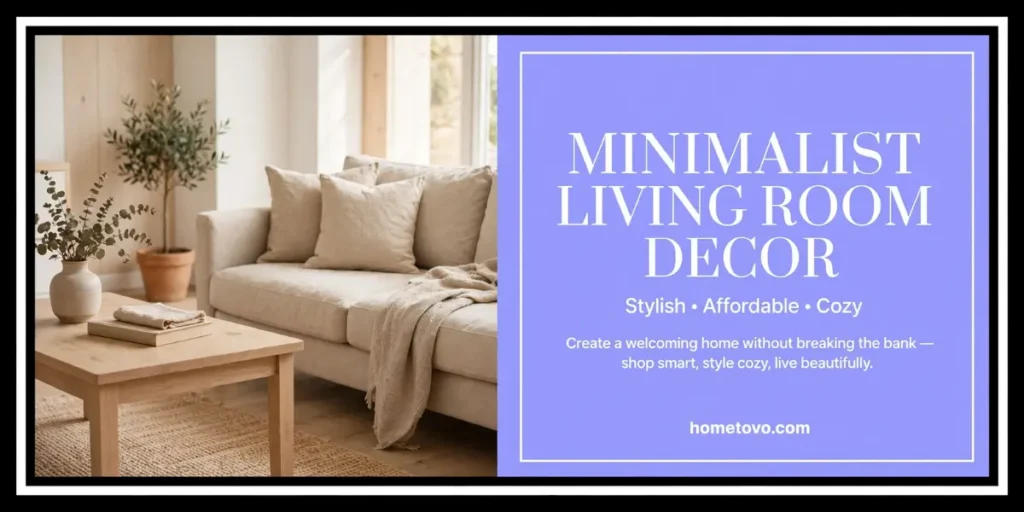
A minimalist living room is not simply a room with fewer things. Good minimalist living room decor is about choosing what deserves space and removing what does not. The result can be calm, practical, comfortable, and full of personality without feeling crowded.
Minimalist interior design often uses clean lines, simple furniture, limited decoration, natural light, and a controlled color palette. But that does not mean everything has to be white or that your living room should feel empty. A minimalist space can include warm wood, soft rugs, plants, artwork, cushions, and personal pieces when they are chosen with care.
If you want a simple living room that feels organized but still welcoming, start with function. Decide how you use the room, choose the furniture you actually need, then add texture and a few meaningful decorative pieces.
Quick answer: Minimalist living room decor combines functional furniture, open space, simple shapes, restrained colors, natural materials, and carefully selected accessories. The goal is not to own as little as possible. It is to create a room where every important piece has a clear purpose.
What Is a Minimalist Living Room?
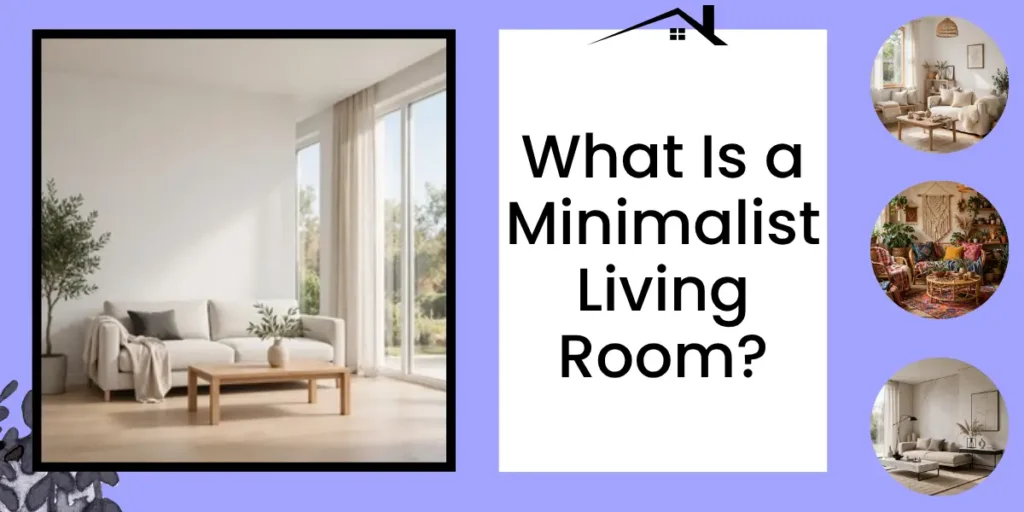
A minimalist living room is designed around simplicity, function, and visual balance. Instead of filling every wall, shelf, and empty corner, you give each important item enough space to be noticed.
Common features include:
- Clean-lined furniture
- A limited color palette
- Comfortable but simple seating
- Natural light
- Useful storage
- Fewer decorative objects
- Natural materials such as wood, linen, wool, stone, or rattan
- Open areas between furniture
- One or two strong focal points
Architectural Digest describes minimalist interiors as spaces that often combine simple lines, neutral or monochromatic colors, limited furniture and decoration, useful storage, and natural light. It also stresses that minimalism is not limited to one color scheme or one culture.
That distinction matters. A minimalist living room does not need to look like a completely empty white box.
Minimalist Does Not Mean Empty
One of the most common mistakes is assuming that minimalism means removing almost everything.
A room can have a sofa, coffee table, rug, curtains, plants, artwork, books, and lighting and still look minimalist. What matters is how these pieces work together.
For example, instead of placing six small decorations on a coffee table, you might use one ceramic bowl and leave the rest of the surface clear. Instead of covering every wall with small pictures, you might choose one large piece of artwork.
The idea is simple: use fewer things, but make each choice count.
This also makes minimalist design practical for everyday homes. Your living room still needs to support relaxing, watching TV, reading, talking with family, or having guests over.
What Should Be in a Minimalist Living Room?
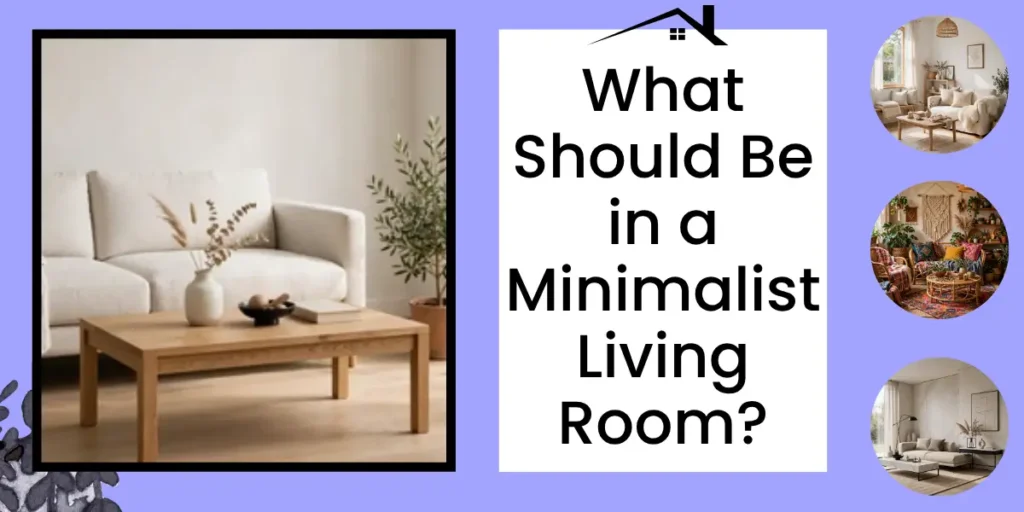
A minimalist living room should contain the pieces you need for the way you actually live.
For most homes, that means a comfortable sofa, a practical table, useful lighting, some form of storage, and a small amount of decor.
Essential Minimalist Living Room Furniture
Start with the largest pieces first.
Sofa: Choose a comfortable sofa with a simple shape. Neutral upholstery works well, but muted green, brown, blue, or other calm colors can also suit a minimalist room.
Coffee table: Pick a table that fits the sofa and leaves enough space for movement. A simple wood, glass, stone, or metal design can work depending on the rest of the room.
Side table: One useful side table may be enough. You do not need a matching table beside every seat.
Storage: Cabinets, shelves, media consoles, baskets, or built-in storage can keep everyday items organized.
Seating: Add an accent chair or ottoman only if the room needs additional seating or function.
The goal is not to buy minimalist-looking furniture simply because it looks good. Each piece should have a reason to be there.
Trending Home Styling Ideas
Essential Minimalist Living Room Decor
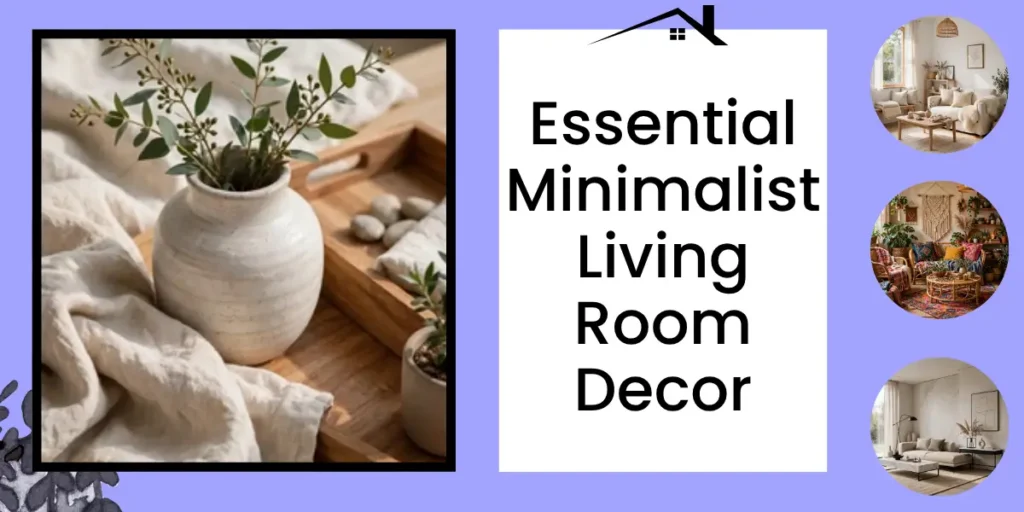
Once the furniture is in place, add a small number of decorative elements.
Useful choices include:
- An area rug
- Curtains
- Cushions
- A throw blanket
- One large artwork
- A mirror
- Indoor plants
- A floor lamp or table lamp
- A small collection of meaningful objects
Texture becomes especially useful when you are working with a simple color scheme. A linen curtain, wool rug, wooden table, and woven basket can add visual interest without making the room feel busy.
What You Do Not Need
Minimalist decor becomes easier when you stop decorating every available surface.
You may not need:
- Several small decorative objects
- Multiple statement chairs
- Oversized collections
- Too many cushions
- Excessive wall art
- Furniture that is rarely used
- Open storage filled with unrelated objects
Before adding something, ask a simple question:
Does this improve the room, serve a purpose, or mean something to the people who live here?
If the answer is no, the room may be better without it.
25 Minimalist Living Room Decor Ideas
There is no single formula for minimalist living room design. You can create a modern minimalist living room, a warm cozy minimalist living room, a small minimalist living room, or a minimalist white living room while following the same basic principles.
Minimalist Color and Wall Ideas
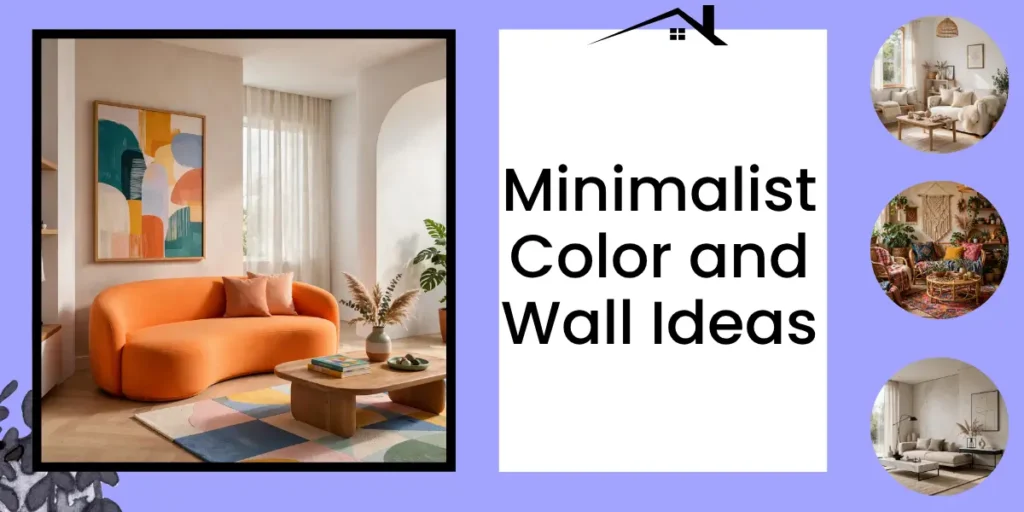
1. Choose a Limited Color Palette
A limited palette gives the room a calmer appearance because fewer colors compete for attention.
Start with two or three main colors and build around them. A warm palette might combine cream, beige, and natural wood. A cooler room might use soft gray, white, and charcoal.
You can also add a small amount of muted green, blue, terracotta, or brown.
The important part is consistency.
Neutral does not always mean plain white. Beige, taupe, gray, cream, brown, muted blue, and soft green can all work as part of a minimalist color scheme.
2. Create a Minimalist White Living Room
White is a natural choice for a minimalist living room because it reflects light and provides a simple background for furniture and decor.
But an all-white room can feel flat if every surface has the same finish.
Add warmth with:
- Light or medium-tone wood
- Linen curtains
- A textured rug
- Woven baskets
- Green plants
- Warm lighting
- Beige or cream cushions
Also pay attention to the undertone of your paint. Natural and artificial light can change how a neutral color appears during the day, so it is worth testing a paint sample in the actual room before committing to a large area.
3. Add One Accent Color
Minimalist design does not require a completely neutral room.
A single accent color can give the space personality without creating visual noise.
For example, a beige living room could use:
- Olive green plants or cushions
- A dark brown chair
- A muted blue artwork
- A terracotta vase
Keep the accent color repeated in small ways rather than adding several unrelated colors.
4. Use One Strong Piece of Wall Decor
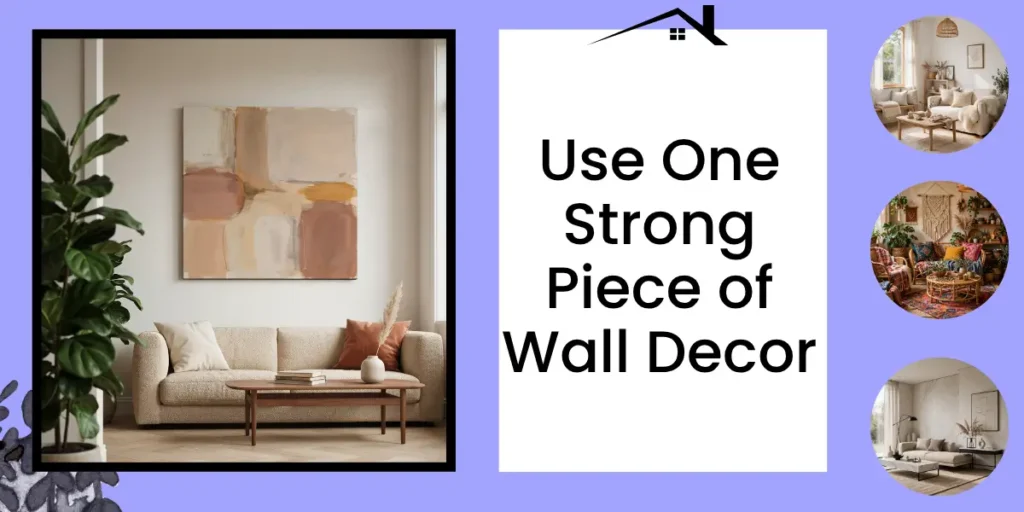
Instead of covering the walls with many small frames, consider one larger artwork or another strong focal piece.
This approach gives the eye one clear place to rest.
A large abstract print, black-and-white photograph, simple landscape, textured artwork, or handmade piece can work well.
The artwork does not have to match the sofa perfectly. It simply needs to relate to the room through color, shape, texture, or mood.
Minimalist Living Room Furniture Ideas
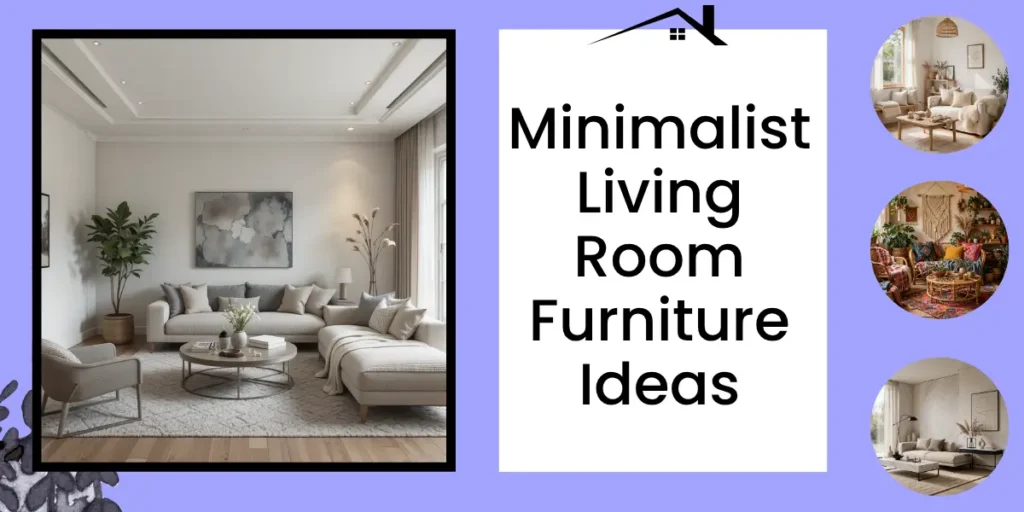
5. Make the Sofa the Main Anchor
The sofa is usually one of the largest visual elements in a living room, so choose it carefully.
A minimalist sofa does not have to be extremely modern. Look for:
- A simple silhouette
- Comfortable proportions
- Durable upholstery
- A color that works with the room
- A size that leaves comfortable walking space
Do not choose a tiny sofa just because you want more empty floor space. The furniture should still fit the people who use the room.
Scale matters even more in minimalist interiors because there are fewer pieces to distract from an awkwardly sized item. Designers interviewed by Architectural Digest also emphasize proportion and scale when working with minimalist rooms.
6. Choose Multifunctional Furniture
Multifunctional furniture is especially useful in small homes.
Consider:
- An ottoman that provides seating and storage
- A coffee table with drawers
- A sofa with built-in storage
- Nesting tables
- A storage bench
- A media console with concealed compartments
This lets one piece perform more than one job without filling the room with extra furniture.
7. Use Clean-Line Furniture
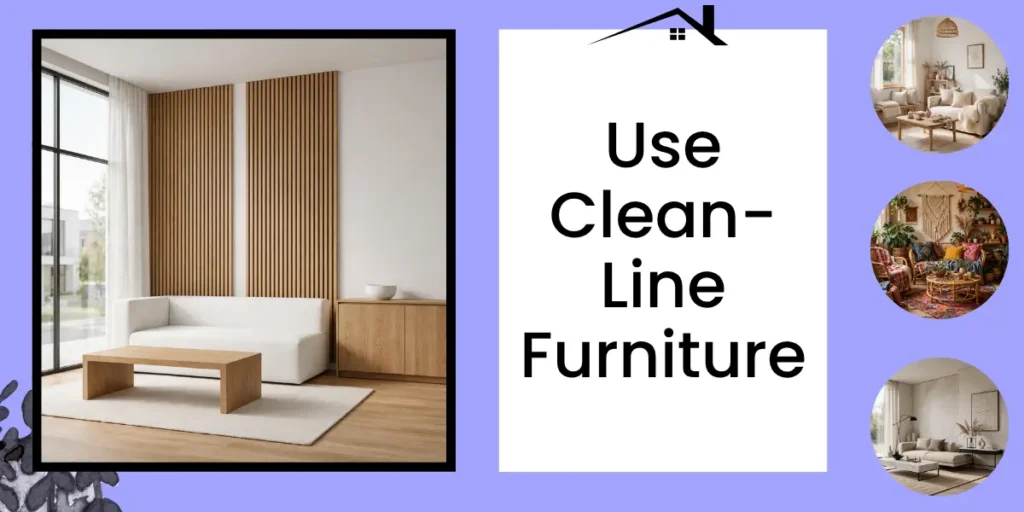
Furniture with simple shapes works well because it keeps the visual structure easy to read.
You can choose:
- Straight-edged sofas
- Simple wooden tables
- Low-profile cabinets
- Streamlined shelving
- Chairs with simple frames
But clean lines do not mean every item has to be square.
A round coffee table, curved chair, or softly shaped lamp can add variety while keeping the overall room simple.
8. Let Useful Furniture Become Part of the Decor
A minimalist room should not hide every functional object.
A beautiful wooden coffee table, sculptural floor lamp, well-made chair, or simple media console can provide both function and visual interest.
This is one reason minimalist furniture ideas should focus on quality, shape, material, and usefulness rather than simply choosing the fewest possible pieces.
9. Use Hidden Storage to Control Clutter
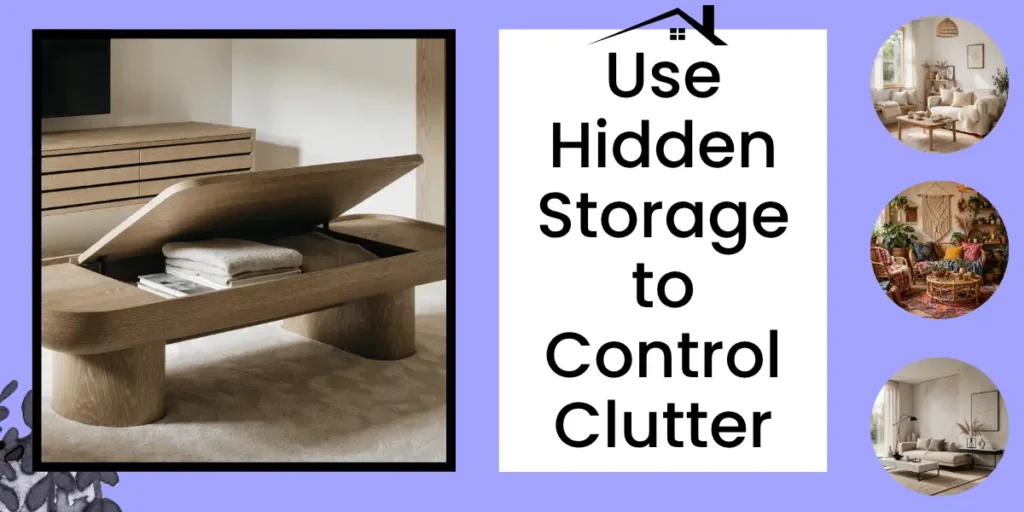
Storage is one of the most important parts of a minimalist living room.
Remote controls, cables, toys, books, chargers, blankets, and other everyday items can quickly make a simple room look messy.
Closed cabinets and drawers help keep these objects out of sight.
You can also use attractive baskets for items that need to be accessed often.
The goal is not to hide everything. It is to give everyday belongings a clear home.
Cozy Minimalist Living Room Ideas
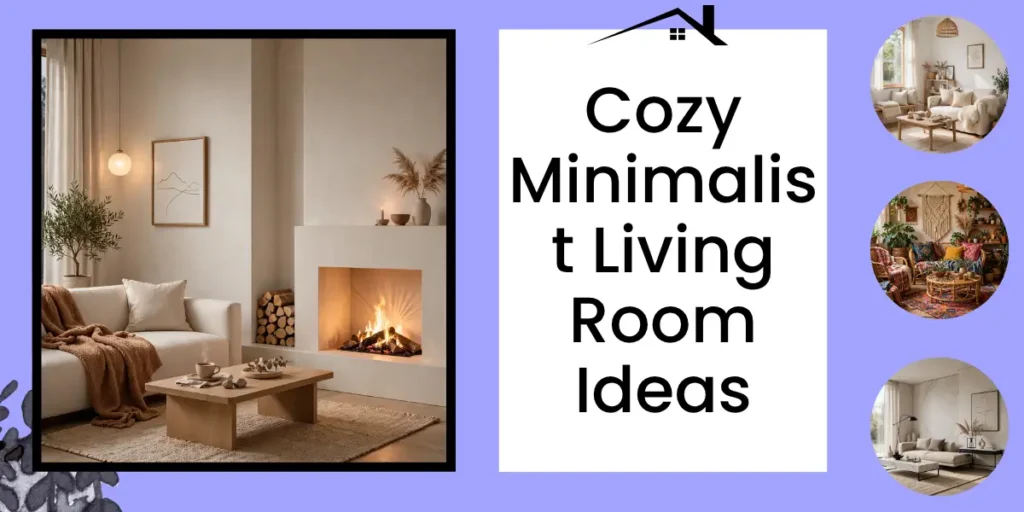
Minimalist rooms can sometimes feel too cold when they rely only on hard surfaces, pale colors, and very little decoration.
A cozy minimalist living room uses restraint while adding enough texture and warmth to feel comfortable.
10. Layer Soft Textures
Texture is one of the easiest ways to make a simple room feel richer without adding more objects.
Try combining:
- Linen
- Cotton
- Wool
- Boucle
- Wood
- Woven fibers
- Ceramic
- Stone
For example, a cream sofa can look much more inviting with a textured rug, linen curtains, a woven basket, and one soft throw.
The colors can remain simple while the materials provide variation.
11. Add a Warm Area Rug
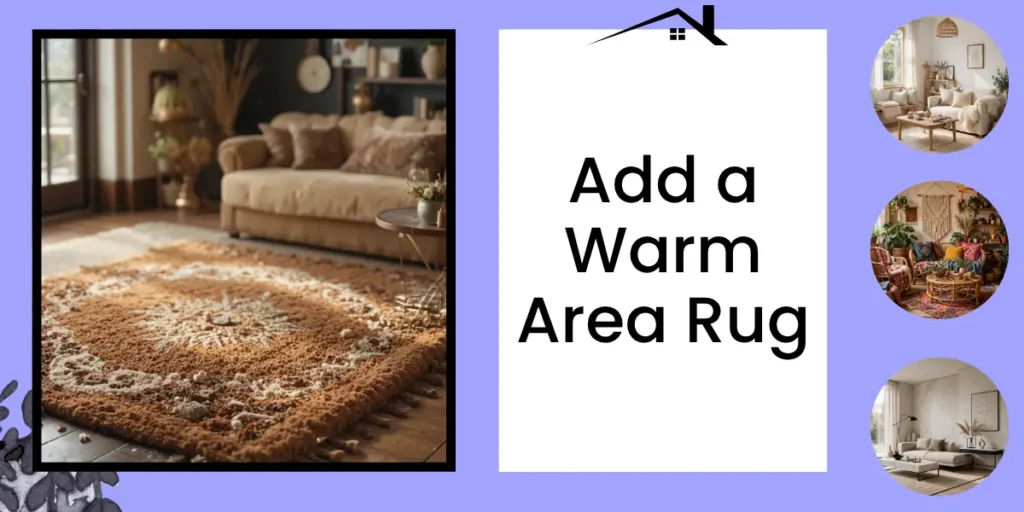
An area rug can define the seating zone and make a minimalist room feel more comfortable.
For a calm look, consider:
- Cream
- Beige
- Soft gray
- Taupe
- Natural jute
- Subtle geometric patterns
A rug with too many strong colors may become the main focus of the room, so choose the pattern according to how much visual activity the rest of the space already has.
12. Keep Cushions Simple
You do not need a sofa covered with cushions to make it comfortable.
Choose a few cushions in related colors and vary the texture rather than using many different patterns.
For example:
Cream sofa + beige linen cushion + textured brown cushion + muted green accent cushion
This creates interest without making the sofa look crowded.
13. Use Warm Lighting
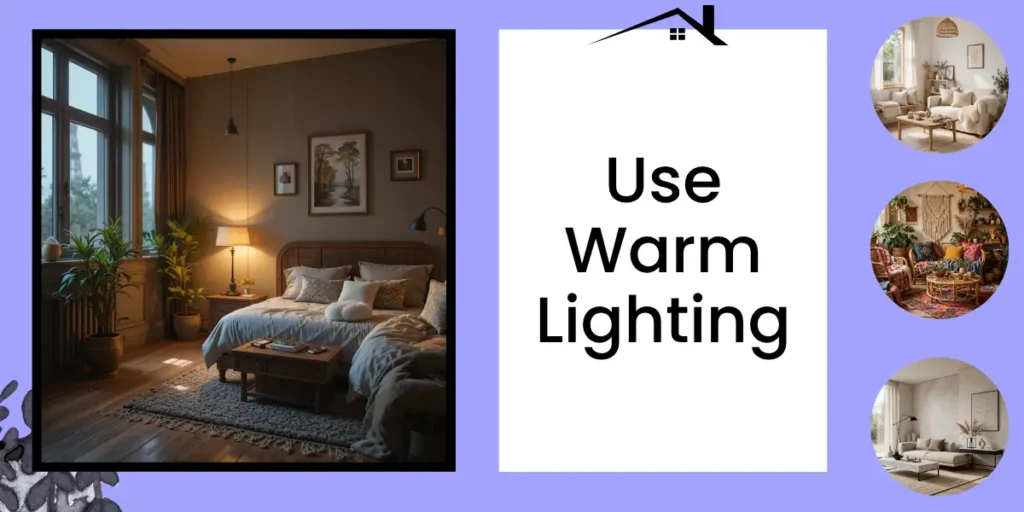
Lighting can change the entire feeling of a living room.
Instead of depending only on one ceiling fixture, use a combination of:
- Floor lamps
- Table lamps
- Wall lights
- Ceiling lighting
- Natural daylight
Place light where you actually need it. A floor lamp beside a reading chair, for example, can provide useful light while also becoming part of the room’s design.
14. Bring in Natural Materials
Natural materials help add warmth to a simple interior.
Consider:
- Wood
- Linen
- Wool
- Rattan
- Jute
- Stone
- Ceramic
Natural wood is particularly useful because it adds color and texture without requiring a strong decorative pattern.
This is also consistent with broader minimalist design principles, where natural materials and simple forms are commonly used to create visual warmth.
15. Add Plants for Life and Contrast
Plants are an easy way to add color and softness to a minimalist living room.
You do not need a large collection.
One tall plant beside the sofa, a small plant on a shelf, or a simple branch arrangement can be enough.
Choose plants based on the actual light conditions in your room rather than choosing them only for appearance.
The same principle applies to plant pots. A simple ceramic, stone, or woven planter can fit naturally into the room without competing with the plant.
A Simple Rule for Choosing Minimalist Decor
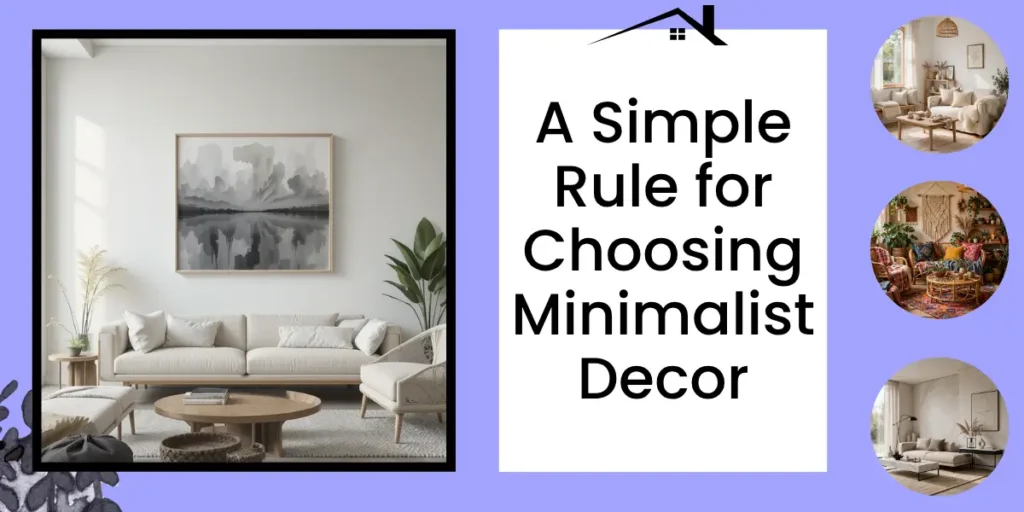
When you are unsure whether a room needs another item, step back and look at the whole space.
Ask:
- Does the room function well without it?
- Does it add comfort, texture, color, or personality?
- Does it have a natural place in the room?
- Does it work with the other pieces?
- Will I still like having it here after the initial excitement wears off?
If an item adds nothing useful or meaningful, leaving the space empty may be the better design choice.
Modern Minimalist Living Room Ideas
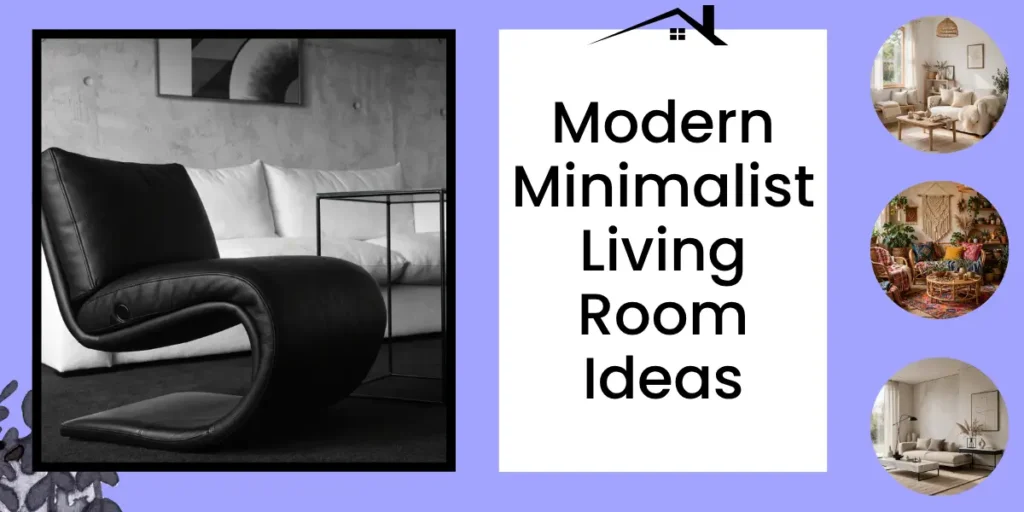
Modern minimalism works well when simple furniture is combined with strong proportions, clean surfaces, and a few carefully chosen details.
A modern minimalist living room does not have to look cold. Natural wood, warm fabrics, plants, and soft lighting can make a modern space feel relaxed.
16. Combine Neutral Colors With Dark Accents
A neutral base gives you flexibility, while a darker accent can add contrast.
Try combinations such as:
- Cream with charcoal
- Beige with dark brown
- White with black
- Light gray with walnut
- Taupe with deep green
The key is to use dark colors selectively.
A black coffee table, dark picture frame, floor lamp, or media console may be enough. You do not need to repeat the accent on every surface.
17. Choose Simple, Modern Lighting
Lighting can act as both a practical feature and a decorative element.
For a modern minimalist living room, look for fixtures with simple shapes and clean finishes.
Good options include:
- A slim floor lamp
- A simple pendant
- A small sculptural table lamp
- A linear ceiling light
- A clean wall sconce
Avoid choosing a complicated light fixture simply because it is fashionable. The best choice is one that fits the scale of the room and provides useful light.
18. Use Organic Shapes
Minimalism does not mean every item needs sharp corners.
Organic shapes can soften a modern room.
Try:
- A round coffee table
- A curved sofa
- An oval mirror
- A rounded chair
- A sculptural vase
- A curved floor lamp
If most of the furniture has straight lines, one or two curved pieces can create balance.
19. Mix Modern Furniture With Natural Wood
Natural wood can prevent a modern minimalist room from feeling overly clinical.
A walnut media unit, oak coffee table, wood shelving, or wooden side table can add warmth while keeping the design simple.
Try to repeat the wood tone in at least two places so that it feels intentional rather than random.
Small Minimalist Living Room Ideas
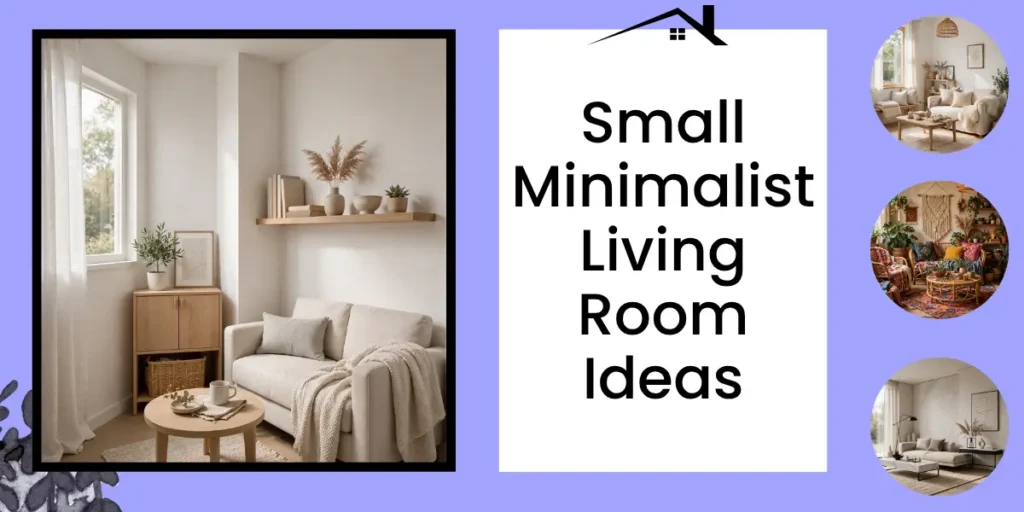
Small spaces often benefit from minimalist design because reducing visual clutter can make the room feel more open.
But a small living room does not need miniature furniture everywhere. Poorly scaled furniture can actually make a room feel more crowded.
20. Keep Walking Areas Open
Before buying another piece of furniture, look at how people move through the room.
You should be able to:
- Walk comfortably around the sofa
- Reach doors without squeezing past furniture
- Access windows
- Move toward storage
- Use the coffee table without blocking the main path
A clear walking route can make a small room feel more spacious even when the room itself has not changed.
21. Choose Furniture That Fits the Room
Measure the room before buying large furniture.
Pay attention to:
- Sofa width
- Sofa depth
- Coffee table size
- Door clearance
- Window position
- Walking paths
- Ceiling height
A large sectional may look impressive in a showroom but overwhelm a small living room.
On the other hand, furniture that is too small can leave the room looking disconnected.
22. Use Vertical Space
When floor space is limited, look upward.
Tall shelving, vertical artwork, curtains mounted higher on the wall, and narrow storage units can make useful use of wall space.
However, avoid filling every wall with shelves.
One well-planned storage wall can be more effective than several small storage units scattered around the room.
23. Choose Furniture With Visible Legs
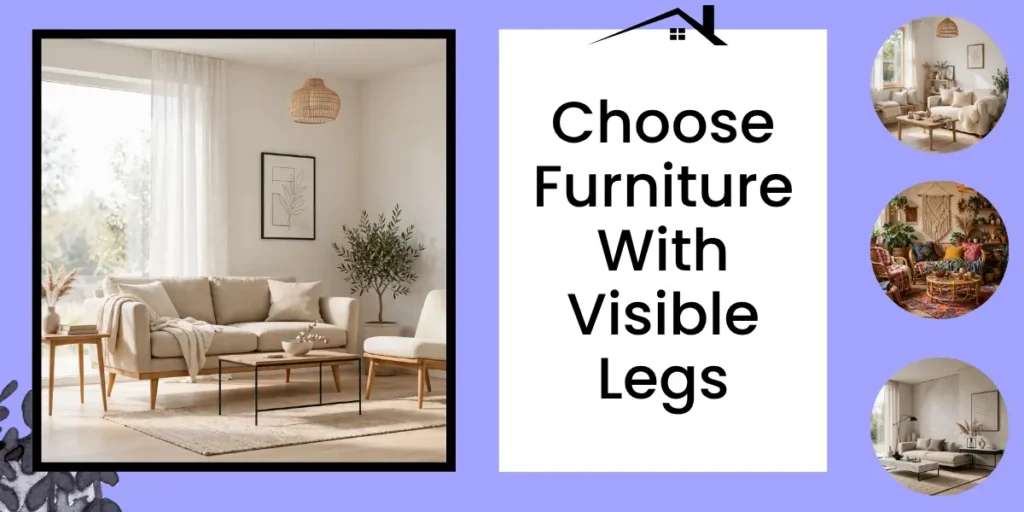
Furniture that sits directly on the floor can appear visually heavy.
Sofas, chairs, and cabinets with visible legs allow more of the floor to remain visible. This can help create a lighter appearance in a small minimalist living room.
This is not a rule for every room. A low, solid cabinet can work beautifully when the rest of the room already has enough visual space.
24. Use Mirrors Carefully
A mirror can reflect light and make a room feel brighter and more open.
Good locations include:
- Opposite or near a window
- Above a console
- Beside an entry area
- On a wall that needs a focal point
Avoid placing mirrors where they reflect clutter or an unattractive view. A mirror does not automatically improve a room simply because it makes the space look larger.
25. Choose Multifunctional Storage
Small living rooms benefit from furniture that performs more than one job.
For example:
Storage ottoman: seating + storage
Nesting tables: flexible table space + easy storage
Storage bench: seating + hidden storage
Media console: television support + concealed storage
Wall shelves: storage + display
The fewer separate pieces you need, the easier it can be to maintain a simple living room.
How to Arrange a Minimalist Living Room
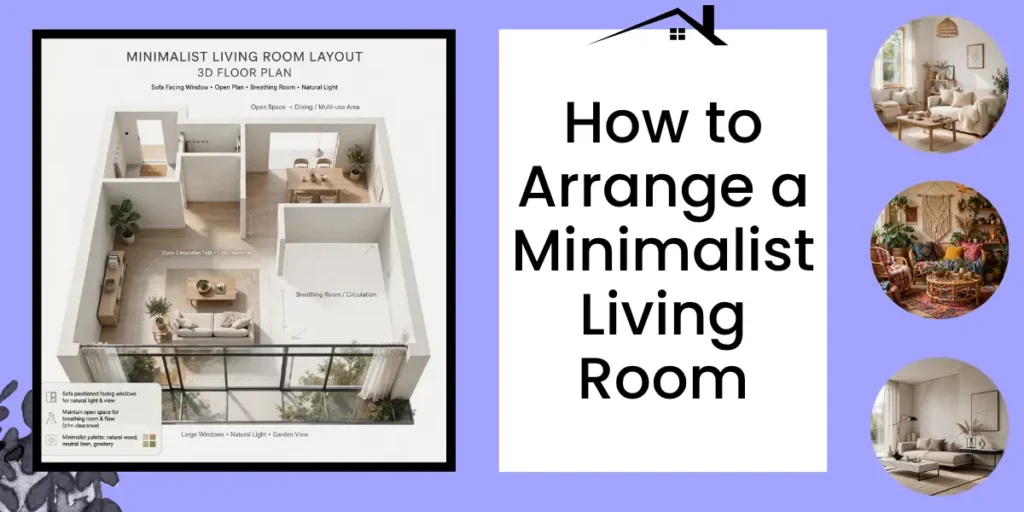
Good furniture placement is just as important as the furniture itself.
Before decorating, think about the room from above. Where are the doors? Where does natural light enter? What is the best view? Where does the television go? Where do people naturally walk?
These questions help you create a practical layout before you start adding decorative items.
Start With the Sofa
The sofa is usually the largest piece, so use it as the starting point.
Place it according to the room’s main function.
If the living room is mainly for conversation, arrange seating so people can comfortably face each other.
If the room is centered around television viewing, make sure the seating has a clear relationship with the screen.
If the room has a strong window view or fireplace, those features may become the natural focal point.
Create a Clear Focal Point
Every living room benefits from having something that naturally attracts attention.
It could be:
- Artwork
- A fireplace
- A large window
- A beautiful sofa
- A statement light
- A media wall
- A view outside
A minimalist room usually works better when the focal point is clear rather than having several competing features.
Leave Comfortable Space Between Furniture
Do not judge a layout only by how it looks in a photograph.
You also need to live in the room.
Make sure people can:
- Sit down easily
- Stand up without hitting a table
- Walk around the furniture
- Open cabinets
- Reach lamps and switches
- Clean the floor
Function should come before decoration.
Do Not Push Everything Against the Walls
Many people assume that pushing every piece of furniture against the walls will make a living room feel larger.
That is not always true.
Depending on the room, bringing a sofa or chair slightly away from the wall can create a more natural seating area.
This is especially useful in an open-plan home where furniture can help define different zones.
What Is the 2/3 Rule for Living Rooms?
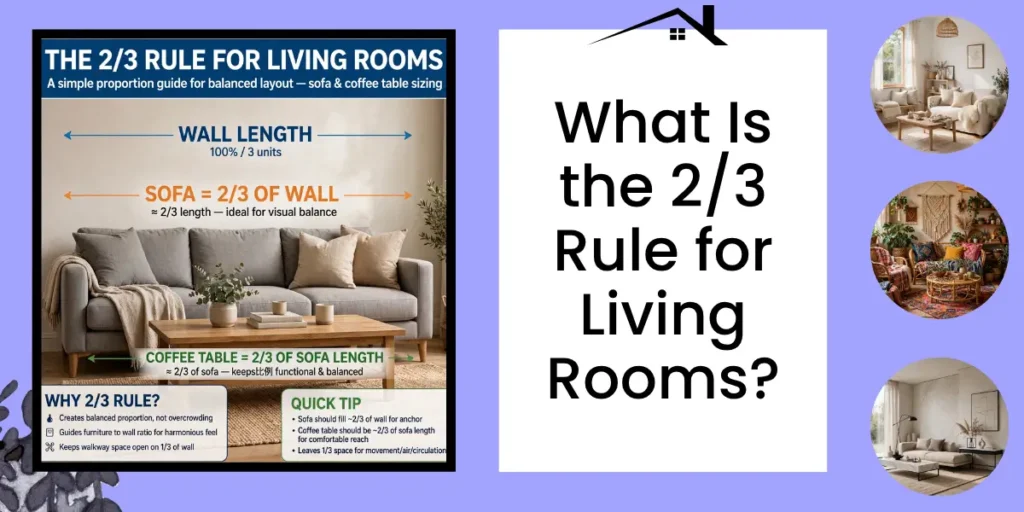
The 2/3 rule is a commonly used proportion guideline in interior design. It suggests that a major piece should relate to the size of the area around it rather than looking too small or too large.
For example, a sofa may work well when its width is around two-thirds of the wall it sits against, leaving some breathing room on either side.
The same idea can be used with other furniture. A coffee table should relate to the size of the sofa and seating area rather than dominating it.
However, 2/3 is a guideline, not a strict rule.
Room shape, furniture depth, doorways, windows, walkways, and personal needs all matter. A perfectly measured two-thirds ratio is less important than a layout that feels balanced and works comfortably.
Minimalist Living Room Styles
Minimalist design can take several different forms. You do not have to choose the exact same furniture or colors as another minimalist home.
Scandinavian Minimalist Living Room
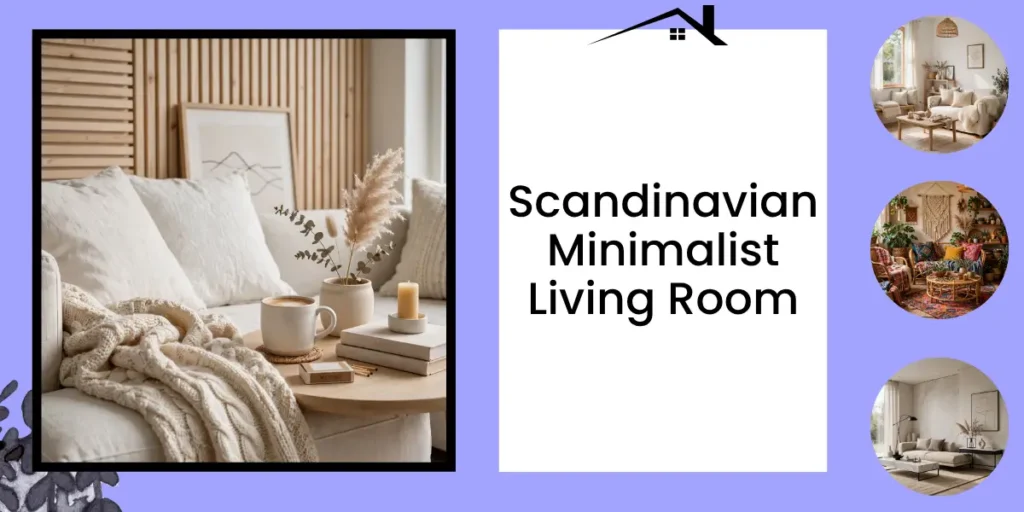
Scandinavian-inspired spaces often combine simplicity with comfort.
Common elements include:
- Light wood
- Soft neutral colors
- Simple furniture
- Natural light
- Comfortable textiles
- Functional storage
The result can feel clean without becoming severe.
Japandi Minimalist Living Room
Japandi combines elements commonly associated with Japanese and Scandinavian design.
It often favors:
- Natural materials
- Simple forms
- Warm wood
- Neutral colors
- Low visual clutter
- Handmade-looking ceramics
- Calm, practical spaces
If you like a minimalist room but want more warmth and natural texture, this style can be a useful direction.
Contemporary Minimalist Living Room
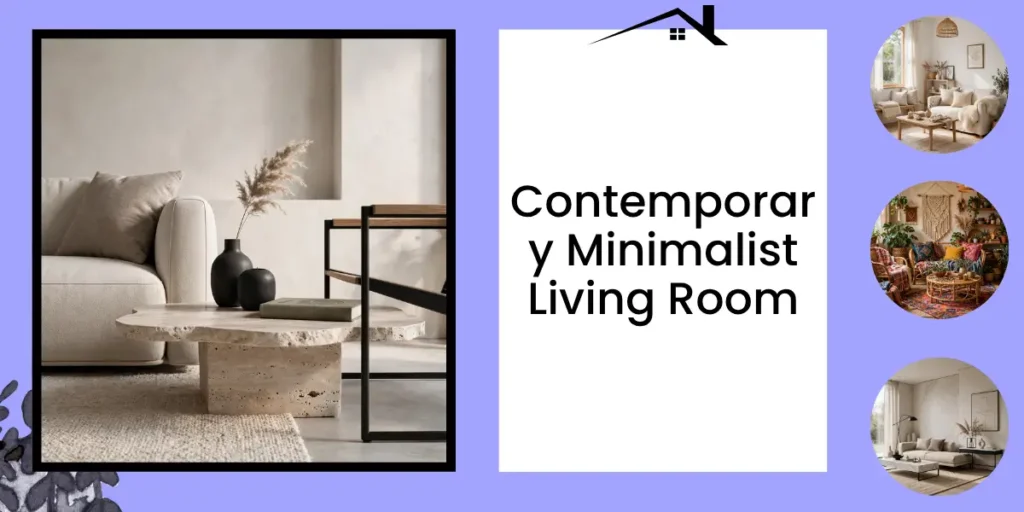
A contemporary minimalist living room can use current furniture shapes, modern lighting, neutral finishes, and a small number of decorative pieces.
Instead of filling the room with accessories, the design may focus on:
- Furniture proportions
- Lighting
- Material contrast
- Artwork
- Architectural details
Modern Minimalist Living Room
Modern minimalist design often emphasizes clean lines, open space, simple furniture, and a restrained palette.
Black accents, glass, metal, wood, and neutral upholstery can work together without making the room feel overloaded.
Warm Minimalism
Warm minimalism is a useful approach for people who like simple rooms but do not want a cold or overly sparse interior.
Use:
- Cream and beige
- Warm wood
- Soft textiles
- Natural stone
- Muted earth tones
- Plants
- Warm lighting
The result is still simple, but it has more visual softness.
Minimalist Living Room Ideas by Color
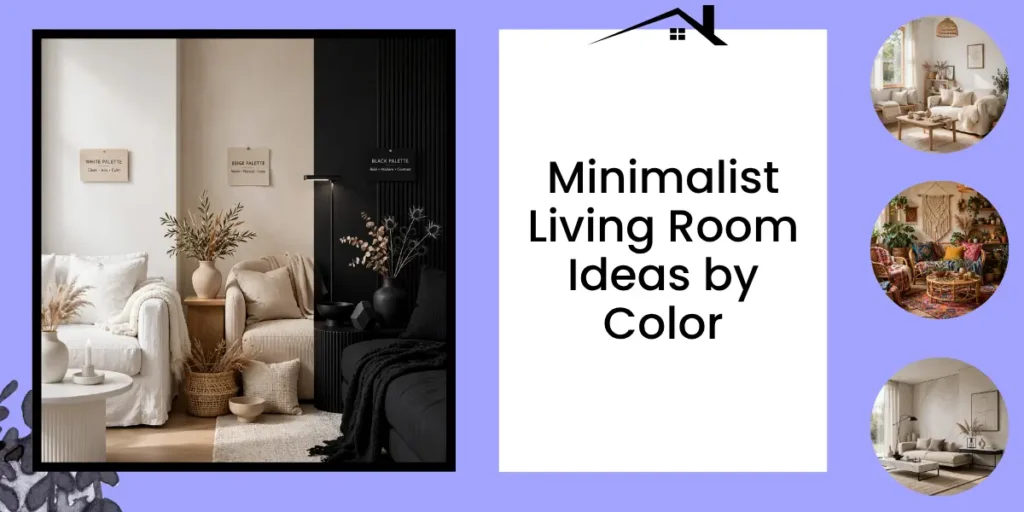
Color can completely change the mood of a minimalist living room.
White Minimalist Living Room
White creates a bright base and works particularly well in rooms with good natural light.
Add texture through:
- Wood
- Linen
- Wool
- Plants
- Ceramic accessories
Beige Minimalist Living Room
Beige can create a warmer alternative to white.
Combine different shades of beige, cream, tan, and light brown rather than trying to make every item exactly the same color.
Gray Minimalist Living Room
Gray can create a modern and calm look.
Use several shades and materials to prevent the room from looking flat. For example, combine a gray sofa with lighter walls, a textured rug, natural wood, and black accents.
Black and White Minimalist Living Room
Black and white create strong contrast.
Keep the larger surfaces lighter and use black in smaller amounts through:
- Lighting
- Frames
- Furniture legs
- Tables
- Artwork
This creates definition without turning the room too dark.
Earth-Tone Minimalist Living Room
Earth tones are useful when you want a natural, relaxed atmosphere.
Consider:
- Sand
- Clay
- Terracotta
- Olive
- Warm brown
- Cream
- Muted green
These colors work especially well with wood and natural fabrics.
Common Minimalist Living Room Mistakes
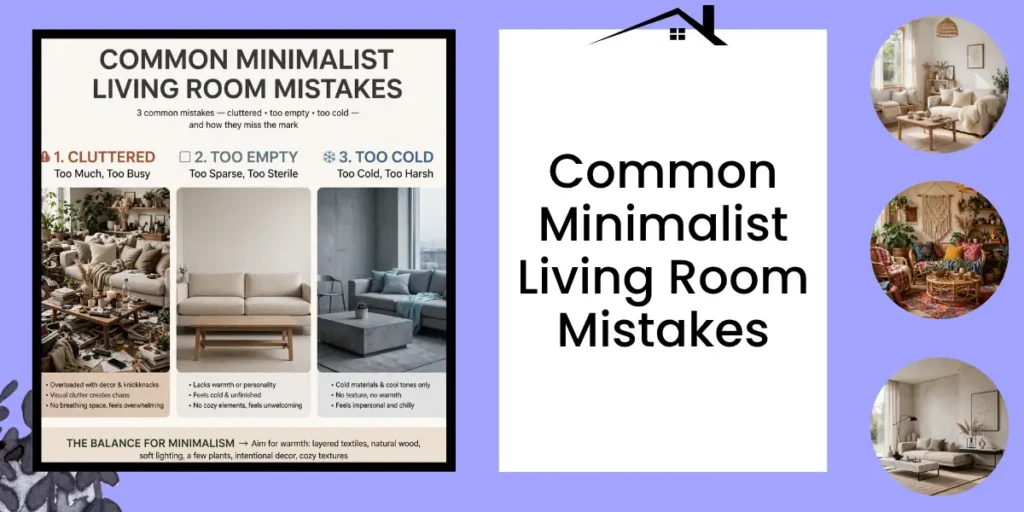
Minimalist design looks simple, but creating a good minimalist room requires careful choices.
Making the Room Too Empty
Removing furniture simply to make the room look minimalist can make it uncomfortable.
A living room still needs enough seating, lighting, storage, and useful surfaces for everyday life.
Using Too Little Texture
A room with white walls, a white sofa, a white rug, and smooth white furniture can look flat.
Texture adds depth without requiring more color.
Try mixing smooth, rough, soft, woven, and natural materials.
Choosing Furniture That Is Too Small
Small furniture does not automatically make a room look spacious.
Several tiny pieces can create more visual clutter than one appropriately sized sofa and table.
Choose furniture according to the room’s proportions.
Adding Too Many Small Decorations
This is one of the easiest ways to lose the minimalist look.
Instead of filling a shelf with ten small objects, try three or four related pieces with some open space between them.
Ignoring Storage
A room may look perfect immediately after cleaning but become cluttered during normal daily use.
Think about where books, blankets, toys, remotes, chargers, and other items will go.
Good storage is part of good minimalist design.
Using Harsh Lighting
A single bright overhead light can make a room feel less comfortable.
Layer different sources of light so you can adjust the room for reading, relaxing, watching TV, or entertaining.
Following Every Trend
A minimalist room should support your lifestyle rather than becoming a collection of current trends.
Trends change. A comfortable sofa, useful storage, good lighting, and durable materials can remain useful for years.
Making Everything the Same Color
A monochromatic room can be beautiful, but using one exact color everywhere can remove depth.
Use variations in shade and texture to create a richer result.
How to Make a Minimalist Living Room Feel Cozy
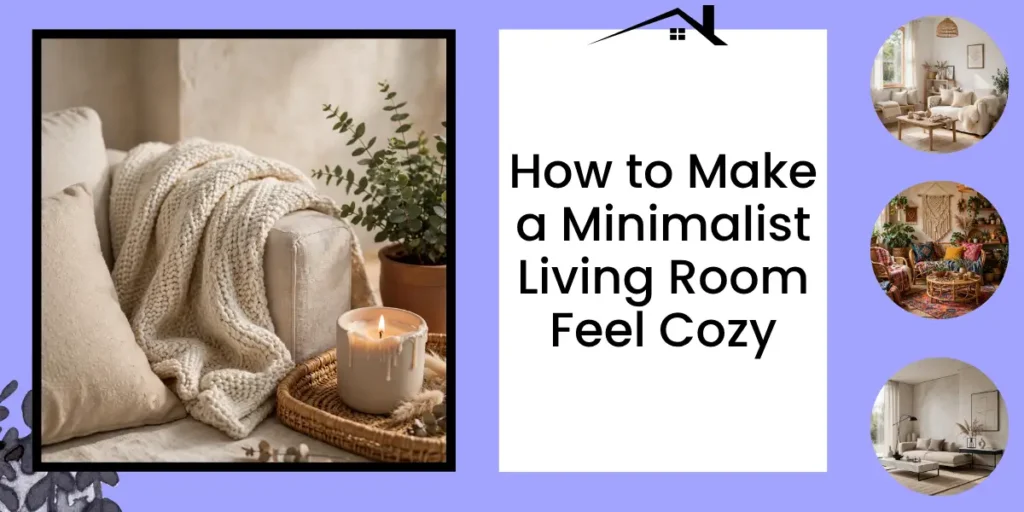
If your room looks clean but does not feel comfortable, focus on warmth rather than adding lots of decoration.
Start with a neutral base and then layer:
- A comfortable sofa
- A textured area rug
- Soft cushions
- A throw blanket
- Natural wood
- Warm lighting
- One or two plants
- Meaningful artwork
You can also use curtains to soften hard surfaces and control daylight.
The important part is to add comfort gradually. If the room already feels balanced, you may only need one or two changes.
Current Minimalist Home Decor Trends
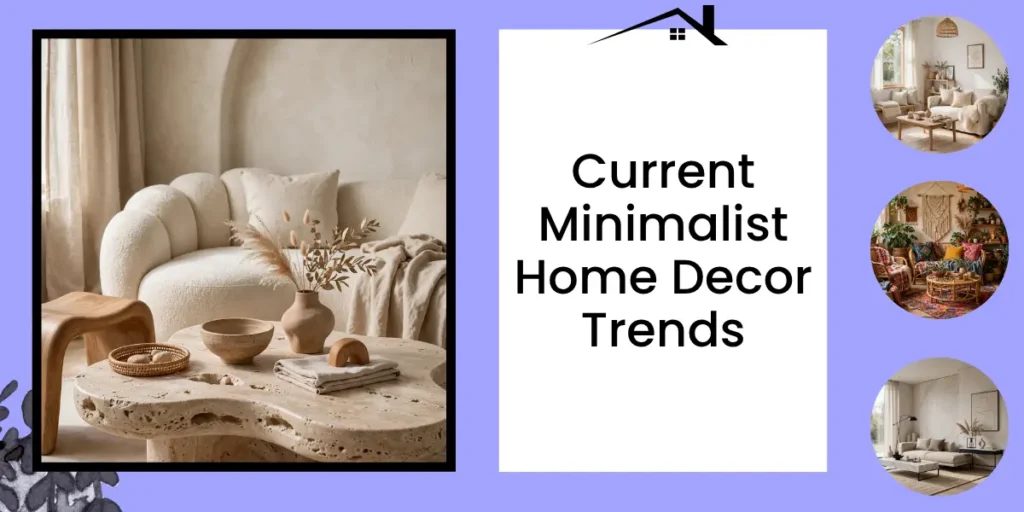
Minimalist interiors continue to move away from the idea that a minimalist room must be completely bare.
Several design directions are especially useful for people who want a simple home without losing warmth.
Warm Minimalism
Instead of relying only on bright white and cool gray, warm minimalism uses cream, beige, tan, brown, and other soft earth tones.
Natural Materials
Wood, linen, wool, stone, ceramic, rattan, and woven materials add character while keeping the overall design simple.
Organic Shapes
Curved furniture, rounded mirrors, irregular ceramics, and sculptural lighting can soften rooms built around straight lines.
Multifunctional Furniture
Furniture that combines storage, seating, display, or other functions remains practical, especially in smaller homes.
Statement Lighting
A simple room can support one memorable light fixture without needing many decorative objects.
Curated Spaces
Rather than removing everything, many minimalist rooms focus on keeping only the pieces that are useful, beautiful, or meaningful.
This approach makes minimalism feel more personal and realistic for everyday homes.
Final Thoughts
Minimalist living room decor is less about removing everything and more about making thoughtful choices.
Start with the way you use the room. Choose furniture that fits your space, create a limited color palette, and make storage part of the plan. Then add texture through rugs, curtains, cushions, wood, plants, and natural materials.
If the room feels too plain, you do not necessarily need more furniture. A warmer light, textured rug, piece of artwork, or natural wood accent may be enough.
And if the room feels cluttered, start by removing items that have no clear purpose rather than replacing everything.
FAQ About Minimalist Living Room
Q1. What is the 2/3 rule for living rooms?
The 2/3 rule is a proportion guideline that can help major furniture pieces relate to the size of the room. For example, a sofa may work well when it occupies roughly two-thirds of the wall behind it while leaving comfortable space at both ends. It is a guideline, not a fixed requirement.
Q2. What are some ideas for a minimalist living room?
Start with a simple sofa, limited color palette, practical storage, a well-sized rug, warm lighting, natural materials, and a few carefully selected accessories. Keep walking areas open and avoid filling every surface.
Q3. What are common minimalist living room mistakes?
Common mistakes include making the room too empty, choosing furniture that is too small, ignoring storage, using too little texture, adding too many small decorations, relying on harsh lighting, and following trends without considering how the room will actually be used.
Q4. What are the current minimalist home decor trends?
Current minimalist interiors often favor warm neutral colors, natural materials, organic shapes, multifunctional furniture, layered lighting, and curated decoration rather than completely bare rooms.
Q5. What should be in a minimalist living room?
The essentials usually include comfortable seating, a practical table, suitable lighting, storage, and a small amount of decoration. The exact items depend on how you use the room.
Q6. How do I make a minimalist living room cozy?
Use soft textures, warm lighting, natural wood, a comfortable rug, cushions, plants, curtains, and a few personal objects. A minimalist room can feel cozy without being filled with accessories.
Q7. What colors work best for a minimalist living room?
White, cream, beige, taupe, gray, brown, muted green, soft blue, and other restrained colors can work well. The best palette depends on the natural light, furniture, and overall style of the home.
Q8. How do I make a small living room minimalist?
Use appropriately sized furniture, keep walkways clear, use multifunctional storage, take advantage of vertical space, limit decorative objects, and use mirrors or light colors where they suit the room.