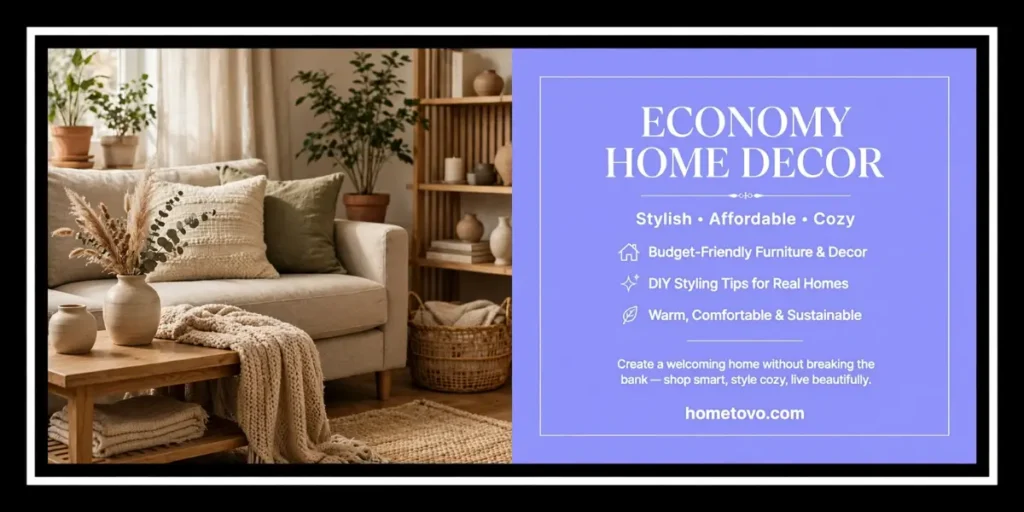
Economy home decor is about creating a comfortable, attractive home without spending more than you need to. It does not mean filling a room with the cheapest items available. Instead, it means making thoughtful choices, reusing what you already have, buying useful pieces, and spending more carefully on the changes that make the biggest difference.
You can refresh a living room with new cushions, better lighting, a mirror, or a simple rug. A bedroom may only need fresh bedding, curtains, and a small change in furniture placement. Even small updates can make a room feel more organized and welcoming.
This guide explains affordable home decor ideas for different rooms, small spaces, renters, DIY projects, and everyday shopping. The goal is simple: make your home feel better while keeping your spending under control.
What Is the Economy Home Decor?
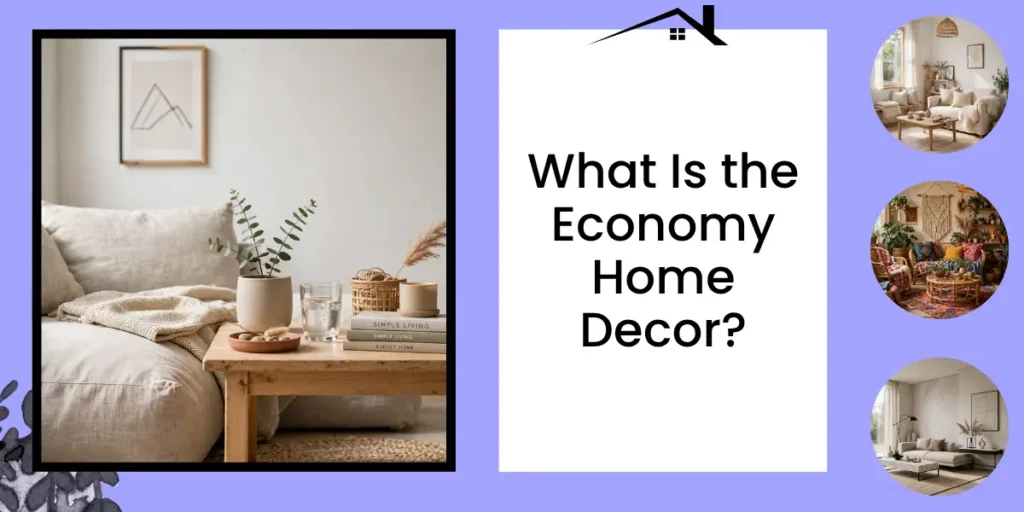
Economy home decor means decorating a home with a focus on value, function, comfort, and cost. The idea is to use your money where it matters most instead of buying many decorative items just because they are inexpensive.
A good economy home decor plan may include:
- Reusing furniture you already own
- Buying secondhand pieces
- Choosing simple wall decor
- Improving room lighting
- Adding affordable textiles
- Using plants and greenery
- Making simple DIY decorations
- Choosing furniture that serves more than one purpose
- Buying slowly instead of decorating everything at once
The same idea can also reduce waste. The U.S. Environmental Protection Agency recommends reducing consumption and reusing materials as important parts of sustainable materials management. Reusing an existing item can also avoid the need to produce and dispose of a replacement.
Economy Home Decor vs. Cheap Decor
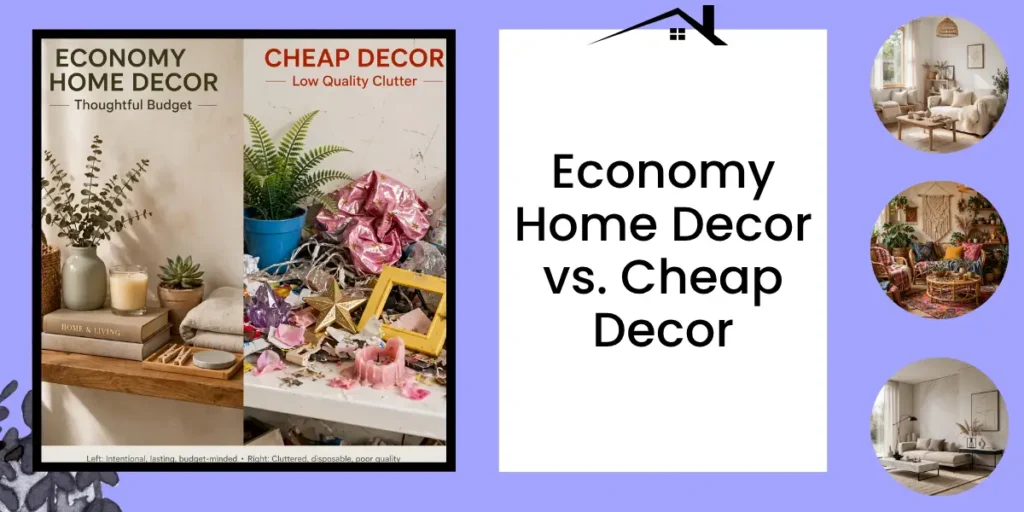
Cheap decor and cheap home decor are not always the same.
Cheap decor focuses mainly on getting the lowest price. Economy home decor focuses on getting good value from the money you spend.
For example, buying five small decorations because they are inexpensive may cost more than buying one useful mirror that improves the whole room. A sturdy secondhand table may also be a better choice than replacing a weak table several times.
The best inexpensive home decor is therefore not necessarily the item with the lowest price. It is the item that gives you useful, lasting value.
Explore More Decor Guides
How To Decorate Your Home On A Budget

Before buying anything, look at the room you already have. Many decorating problems can be solved without a shopping trip.
Start With What You Already Own
Move furniture around and remove items that make the room feel crowded. Try using a vase, lamp, frame, or cushion in another room.
A simple rearrangement can change how a room feels because it affects movement, balance, and the amount of open space.
Start with three questions:
- What do I already have?
- What does the room actually need?
- What can I change without buying anything?
This approach can prevent unnecessary spending.
Choose a Simple Color Palette
A simple color palette makes affordable decor easier to combine.
Neutral shades such as cream, beige, white, gray, brown, and soft green can provide a calm base. You can then add one or two stronger colors through cushions, artwork, curtains, rugs, or small accessories.
You do not need every item to match. The goal is to make the colors work together.
Spend on the Changes That Matter Most
When money is limited, prioritize changes that affect the whole room.
A practical order is:
- Furniture layout
- Lighting
- Curtains and other textiles
- Wall decor
- Storage
- Decorative accessories
This approach helps you avoid spending your entire budget on small objects that have little effect on the room.
15 Affordable Home Decor Ideas That Make a Big Difference

You do not need a large budget to make visible changes. These affordable home decor ideas can work in many homes and styles.
Rearrange Your Furniture
Try moving the sofa, chairs, bed, or table before buying new furniture. Give pathways enough space and avoid blocking windows or doors.
A better layout can make a room feel larger and easier to use.
Add Affordable Wall Art
Blank walls can make a room feel unfinished. You can use framed prints, personal photographs, simple artwork, fabric pieces, or handmade wall decor.
Keep the arrangement balanced rather than covering every wall.
Use Mirrors to Make a Room Feel Larger

A mirror can reflect light and create a stronger sense of space. Place one where it can reflect a window, light source, or attractive part of the room.
A mirror does not actually increase the room’s size, but the reflection can make the space feel more open.
Refresh Cushions and Throw Pillows
Textiles are an easy way to change the appearance of a room. You can replace cushion covers instead of replacing the entire cushion.
Try combining different textures while keeping the colors related.
Add a Throw Blanket
A simple throw can add warmth and texture to a sofa, chair, or bed. Fold it neatly over an arm or place it casually across the edge of the furniture.
Use Rugs to Define a Space
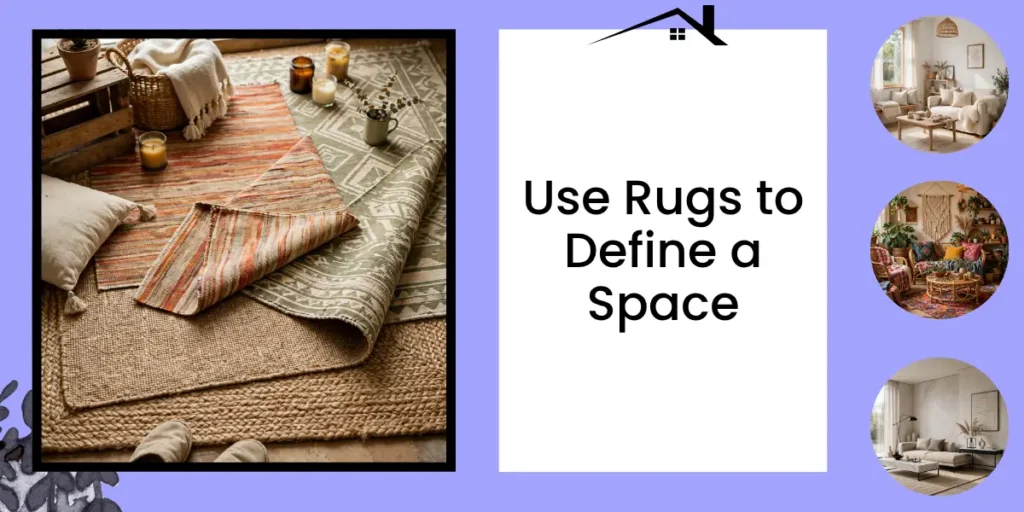
A rug can visually connect furniture and help separate areas in an open room.
Before buying one, measure the available space. A rug that is too small can make furniture look disconnected.
Upgrade Your Lighting
Lighting can have a major effect on how a room looks.
Use a mixture of general lighting and smaller lamps where practical. Warm light can create a softer evening atmosphere.
Energy-efficient LED lighting can also reduce electricity use. The U.S. Department of Energy notes that LED lighting is highly energy efficient, while ENERGY STAR reports that certified LED bulbs can use up to 90% less energy than standard incandescent bulbs and last much longer.
Add Indoor Plants
Plants add color and natural texture. If you do not have much time for plant care, choose varieties that suit your home’s light and your ability to maintain them.
Even a few plants can make a neutral room feel more lively.
Style Shelves With Less Clutter
Do not fill every shelf. Leave some open space between books, plants, frames, baskets, and decorative objects.
Grouping a few related items often looks more organized than displaying many unrelated pieces.
Change Cabinet and Furniture Hardware
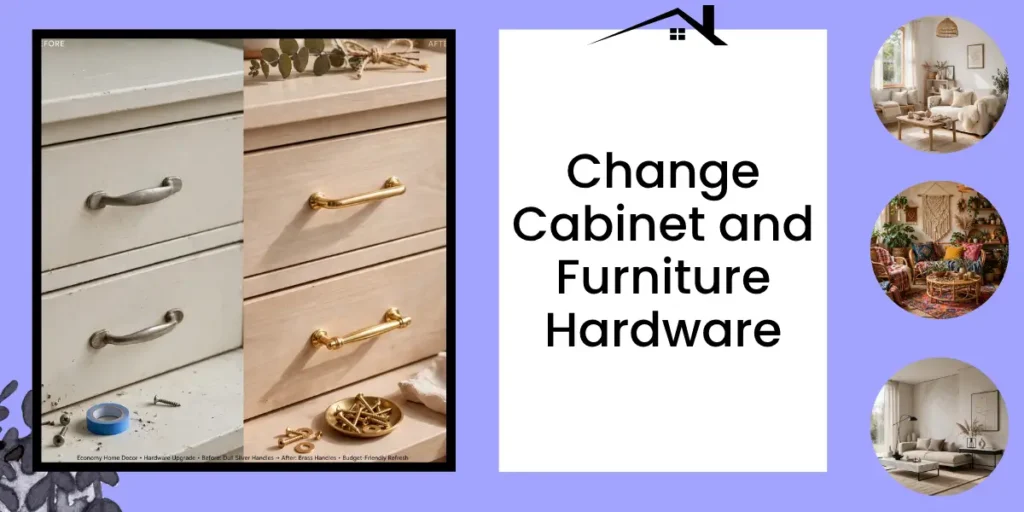
Replacing old knobs or handles can change the appearance of cabinets, drawers, and some furniture.
Measure existing hardware before purchasing replacements so the new pieces fit correctly.
Use Decorative Baskets for Storage
Baskets can hide everyday clutter while adding texture. Use them for blankets, toys, books, accessories, or other items that need to remain easy to reach.
Add Curtains for a Softer Look
Curtains can add color, texture, privacy, and softness. Hang them carefully and choose a size that works with the window and surrounding wall.
Create a Simple Gallery Wall
A gallery wall does not have to contain expensive artwork. Use a small group of prints, photographs, sketches, or meaningful images.
Keep the frames or colors visually connected so the arrangement feels intentional.
Decorate With Vases and Small Accessories
Use a few carefully chosen accessories instead of covering every surface.
A vase, bowl, candle holder, or small decorative object can work well when it has a clear place in the room.
Add Personal Photos and Meaningful Pieces
Personal items often make a home feel more finished than generic decorations.
Family photographs, travel memories, handmade pieces, books, or objects with personal meaning can add character without requiring a large budget.
Cheap Decor Ideas That Don’t Look Cheap
The best cheap decor ideas are not about hiding the price of an item. They are about using inexpensive pieces in a thoughtful way.
Choose Fewer, Better-Looking Pieces
A room with five useful and attractive pieces can look better than a room filled with twenty small decorations.
Think about size, shape, color, and function before buying.
Use Texture Instead of Buying More Decor
Texture can come from rugs, curtains, cushions, blankets, baskets, wood, woven materials, and plants.
This creates visual interest without requiring many decorative objects.
Keep Colors Consistent
If you already have several colors in the room, avoid adding many more.
Choose a small group of colors and repeat them in different places. For example, a color from a cushion can appear again in wall art or a small vase.
Vary Heights When Styling Decor
When several objects sit together, avoid making everything the same height.
A taller vase beside a lower bowl and a small frame can create a more balanced arrangement.
Leave Some Empty Space
Empty space is not wasted space.
Leaving part of a shelf, table, or wall open can help the important pieces stand out and make the room feel less crowded.
Use Matching Frames
Different artwork can look more connected when the frames share a similar color or shape.
This is an inexpensive way to create a more organized wall display.
Use Warm Lighting
The right light can make affordable furniture and decor feel more comfortable.
Use softer lighting in areas where you relax, while brighter task lighting works better for reading, cooking, or working.
Inexpensive Home Decor Ideas for Every Room
Affordable Living Room Decor
The living room is often the best place to start because a few changes can affect the entire space.
Consider:
- Rearranging the seating
- Adding cushions
- Using a throw blanket
- Adding a rug
- Improving lamp placement
- Hanging simple wall art
- Adding a mirror
- Introducing greenery
Do not buy a new sofa simply because the room feels outdated. First ask whether a new layout, textile, or lighting arrangement can solve the problem.
Affordable Bedroom Decor
A bedroom should feel calm and comfortable.
Affordable updates include:
- Fresh bedding
- Simple curtains
- A bedside lamp
- A small rug
- Cushion covers
- Wall art
- A mirror
- Better storage
Changing bedding and lighting can make a noticeable difference without replacing the bed or other large furniture.
Affordable Dining Room Decor
A dining room does not need many accessories.
Try a simple table centerpiece, a small vase, a table runner, or wall art. Keep the dining table usable rather than treating it as a permanent display surface.
Affordable Kitchen Decor
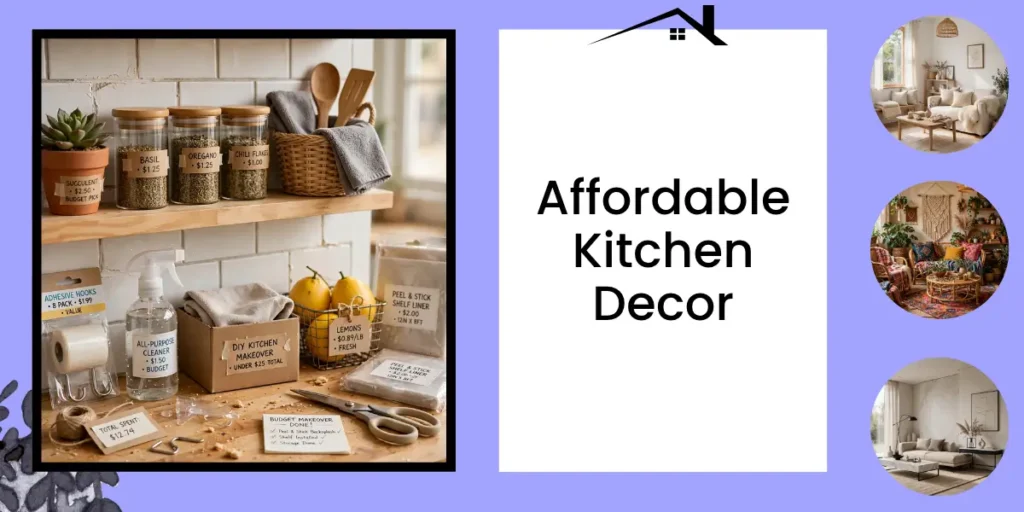
In a kitchen, useful decor is often better than decorative clutter.
Open shelves can hold attractive dishes, jars, baskets, or plants. Cabinet hardware can also provide a small visual change.
Keep countertops clear enough for normal cooking and food preparation.
Affordable Entryway Decor
A small entryway can benefit from a mirror, hooks, a basket, or a narrow piece of furniture.
The key is function. Give shoes, keys, bags, and other everyday items a clear place.
Affordable Home Office Decor
Start with a comfortable and useful work area.
Use simple storage, a suitable lamp, wall art, and one or two decorative items. Avoid filling the desk with objects that reduce usable workspace.
DIY Economy Home Decor Ideas

DIY projects can lower costs, but they should also be practical. A project is not economical if it requires expensive materials or takes more time and money than buying a ready-made item.
DIY Wall Art
Create simple artwork using paper, fabric, photographs, paint, or materials you already have.
Choose colors that work with the room rather than trying to copy an expensive design.
Upcycle Old Furniture
An old side table, chair, cabinet, or shelf may only need cleaning, repair, sanding, or a suitable new finish.
Check the condition before starting. Structural damage may make a piece unsuitable for repair.
Make Simple Cushion Covers
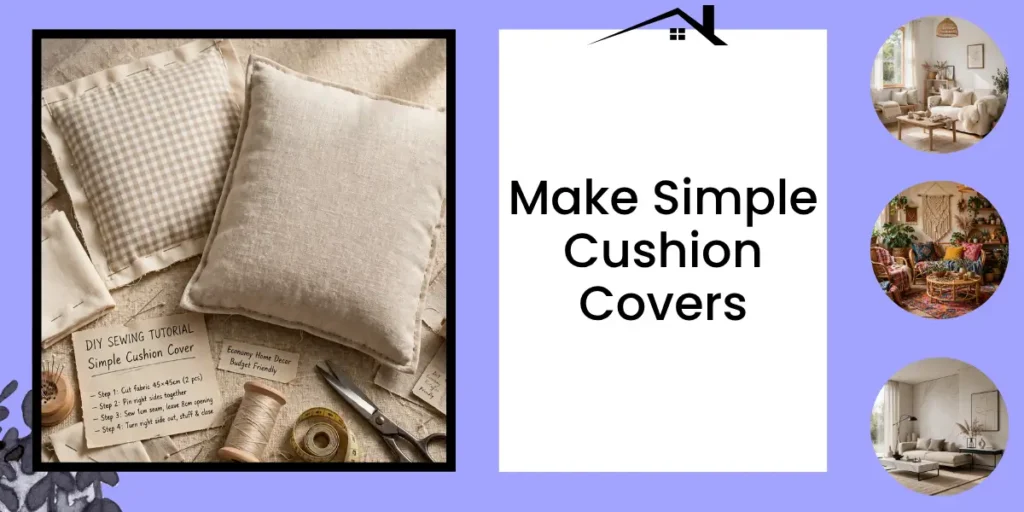
If you have basic sewing skills, making or updating cushion covers can be an inexpensive way to change a sofa or bedroom.
Turn Old Jars Into Storage
Clean jars can hold small household items, craft supplies, or kitchen ingredients when suitable.
Use labels to keep the storage organized.
Repurpose Wooden Crates
Strong wooden crates can sometimes become simple shelves or storage units when safely prepared and secured.
Always check that the material is clean, stable, and suitable for its new purpose.
Thrifted and Secondhand Decor Ideas
Secondhand shopping can be useful when decorating on a limited budget.
The EPA notes that buying used items can save money and that used products may be just as good as new ones in some cases. It also recommends considering whether an item is durable and whether it can be reused before making a purchase.
What Home Decor Is Worth Buying Secondhand?

Consider looking for:
- Solid tables
- Mirrors
- Picture frames
- Baskets
- Decorative bowls
- Shelves
- Some types of lamps
- Vintage accessories
Inspect each item carefully before buying it.
How to Find Good Thrifted Decor
Look for useful construction, suitable size, and a condition that matches the price.
A very cheap item is not a good deal if it needs extensive repairs.
When Cheap Isn’t Actually a Good Deal
Consider the full cost.
Ask yourself:
- Will I use it?
- Does it fit my space?
- Does it need repairs?
- Can I maintain it?
- Will I still like it in a year?
- Can I reuse or donate it later?
These questions can prevent impulse purchases.
Affordable Home Decor Shopping Tips

Set a Decorating Budget Before Shopping
Decide how much you can spend on the room before looking at products.
Divide the amount into priorities such as lighting, textiles, storage, and accessories.
Measure Your Space Before Buying
Measure walls, windows, furniture areas, shelves, and available floor space.
This simple step can prevent expensive mistakes.
Compare Prices
Do not assume the first price you see is the best one. Compare similar materials, sizes, construction, and features.
Price alone does not tell you whether something offers good value.
Shop Clearance and Seasonal Sales

Seasonal discounts and clearance sections can help reduce costs, especially for items that are not urgently needed.
Buy Slowly Instead of All at Once
A home does not need to be finished in one weekend.
Buy the pieces you actually need first. Then live with the room for a while before making more changes.
Spend More on Pieces You Use Every Day
If your budget is limited, prioritize items that receive regular use.
A sturdy chair, useful storage unit, or comfortable bedding may provide more value than several decorative accessories.
Save Money on Easy-to-Replace Accessories
Small decorative items can usually be changed later. This makes them a good place to save money.
Economy Home Decor for Small Spaces
Small rooms need careful choices because too much furniture and decor can quickly create clutter.
Choose Multifunctional Furniture
Look for pieces that perform more than one job, such as storage seating, a desk with drawers, or a table that can serve different purposes.
Use Mirrors Strategically
A well-placed mirror can reflect light and make a compact room feel more open.
Keep Surfaces Uncluttered
Small spaces benefit from clear tables, counters, and shelves.
Use baskets and closed storage for items that do not need to remain visible.
Use Vertical Storage
When floor space is limited, make better use of walls with shelves, hooks, or suitable storage.
Choose Lightweight Decor
Small rooms often work better with decor that can be moved or changed easily.
This also makes it easier to rearrange the space when your needs change.
Economy Home Decor Ideas for Renters
Renters can still create a comfortable home without making permanent changes.
Try Removable Wall Treatments
Removable wallpaper and similar temporary treatments can change a wall without requiring permanent renovation. Always check the product instructions and rental agreement first.
Use Removable Hooks
Removable hooks can provide storage for lightweight items when used according to their weight limits and instructions.
Choose Removable Wall Decor
Lean artwork on shelves, use freestanding frames, or choose other methods that avoid unnecessary wall damage.
Use Lightweight Furniture
Furniture that can be moved easily is useful when a rental home has limited space or when you expect to move later.
Use Rugs to Change the Look of a Room
A rug can add color, pattern, and comfort while also helping define different areas.
Eco-Friendly Economy Home Decor
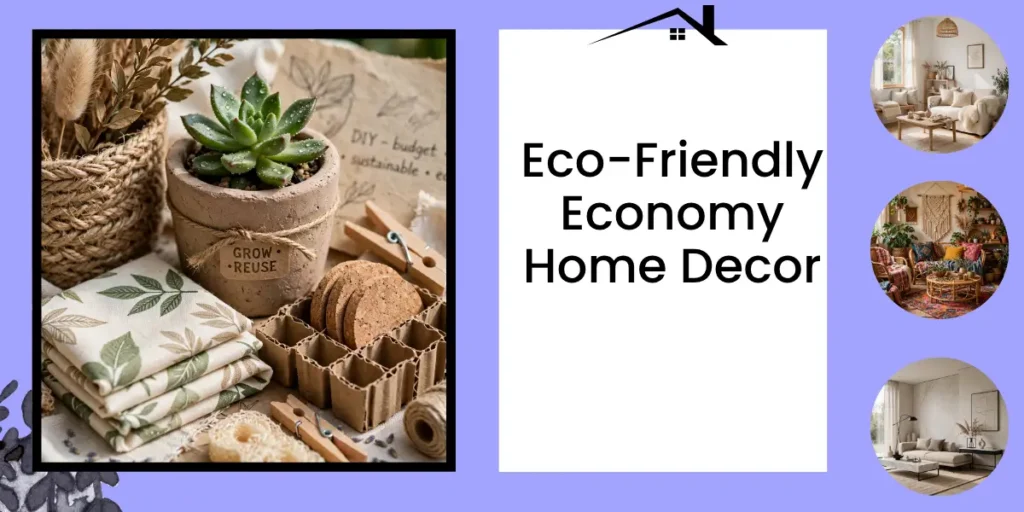
Economical decorating and responsible use of materials can work together.
The EPA places source reduction and reuse high in its waste-management hierarchy and recommends reducing unnecessary consumption, reusing products, and buying used or recycled materials where appropriate.
Repurpose What You Already Have
Before replacing something, consider whether cleaning, repairing, repainting, or moving it could solve the problem.
Choose Secondhand Furniture
Used furniture can extend the life of an existing product and may cost less than buying new.
Check its condition, safety, stability, and suitability for your home.
Use Natural Materials Carefully
Wood, cotton, linen, jute, and other natural materials can add texture, but natural does not automatically mean better or more sustainable. Consider durability, how the material was produced, how long you will use it, and what happens when you no longer need it.
Add Plants
Plants can bring natural color and texture into a room. Choose them based on available light and care requirements.
Avoid Buying Decor You Don’t Need
The most economical purchase can be the one you do not make.
Before buying, ask whether the item solves a real problem or adds meaningful value to the room.
Common Economy Home Decor Mistakes to Avoid
Buying Too Many Small Accessories
Small items can quickly create visual clutter and consume a surprising part of your budget.
Buying Before Measuring
Always measure first, especially for rugs, curtains, furniture, mirrors, and wall decor.
Following Every Trend
Trends change. A simple style that works with your home and lifestyle can remain useful for much longer.
Choosing Price Over Quality
The cheapest option may not be the best value. Consider durability, repairability, comfort, and how often you will use the item.
Ignoring Lighting
A well-decorated room can still feel uncomfortable if the lighting is poor.
Making Every Room Look the Same
Your home should feel connected, but each room can have its own purpose and character.
Filling Every Empty Space
You do not need to decorate every wall, shelf, and table.
Forgetting Function
Decor should support the way you live. A beautiful room that is difficult to use is not a successful budget makeover.
How to Make Affordable Decor Look More Expensive

You do not need expensive products to create a polished room.
Focus on proportion, color, lighting, texture, and order.
Use warm lighting where suitable. Repeat a few colors across the room. Combine different textures instead of adding more objects. Keep surfaces organized and leave some open space.
Large, well-placed pieces can often have more impact than many tiny decorations.
Most importantly, make each item feel intentional. If a piece does not serve a purpose, add comfort, or contribute to the room’s appearance, you may not need it.
Quick Economy Home Decor Checklist
Before you finish decorating a room, ask:
- Have I removed unnecessary clutter?
- Can I reuse anything I already own?
- Is the furniture arranged well?
- Is the lighting comfortable?
- Does the room have a simple color palette?
- Are the textiles adding warmth or texture?
- Is there enough storage?
- Does the decor fit the size of the room?
- Have I measured before buying?
- Am I buying because I need the item or because it is on sale?
- Can I buy or reuse something secondhand?
- Will I still find the item useful later?
Final Thoughts
Economy home decor is not about making your home look cheap. It is about making better decisions with the money you have.
Start with the furniture and items you already own. Improve the layout, lighting, storage, textiles, and color balance before buying more. When you do shop, choose pieces that fit your space, serve a purpose, and provide lasting value.
Affordable home decor can be stylish, comfortable, and personal. The best results usually come from spending with a plan, using what you already have, and adding new pieces only when they genuinely improve the room.
FAQs About Economy Home Decor
Q1. What is economy home decor?
Economy home decor means decorating a home with careful spending. It focuses on affordability, usefulness, comfort, reuse, and good design rather than buying the lowest-priced items available.
Q2. How can I decorate my home without spending a lot of money?
Start by using what you already own. Rearrange furniture, reduce clutter, improve lighting, update textiles, add simple wall decor, and use plants. When you do shop, prioritize items that solve a real need.
Q3. What is the difference between affordable and cheap decor?
Affordable decor provides good value for its price. Cheap decor usually refers to a low purchase price. A low-priced item is not necessarily a good value if it breaks quickly, does not fit your space, or is never used.
Q4. What are the best inexpensive home decor ideas?
Some of the most useful options include rearranging furniture, changing cushion covers, adding a mirror, improving lighting, using rugs, adding greenery, creating simple wall art, and organizing shelves.
Q5. How can I make cheap decor look expensive?
Use fewer pieces, keep colors coordinated, add texture, choose suitable proportions, improve lighting, and avoid clutter. Good placement often matters more than price.
Q6. What home decor items are worth buying?
Prioritize items you use regularly or that solve a clear problem. Furniture, lighting, storage, bedding, curtains, and rugs can be worthwhile when they fit your space and budget.
Q7. How can I decorate a small room on a budget?
Keep the layout simple, use multifunctional furniture, make use of vertical storage, avoid excessive accessories, and use mirrors or suitable lighting to make the room feel more open.
Q8. How can renters decorate without damaging walls?
Use removable decorating methods where permitted, such as suitable removable hooks, temporary wall treatments, freestanding artwork, rugs, and movable furniture. Always follow product instructions and rental rules.