
Maximalism home decor is all about using bold colors, mixed patterns, layered textures, artwork, and personal accessories to create a home full of character. Instead of keeping every room simple, this decorating style celebrates variety, creativity, and the things you love.
A maximalist home can include a colorful sofa, floral curtains, patterned rugs, vintage furniture, decorative lamps, and walls filled with artwork. The key is to arrange these elements with care so the room feels expressive rather than cluttered.
You do not need a large house or an expensive budget to try maximalist interior design. A small apartment, cozy bedroom, or simple living room can also benefit from thoughtful layers of color and texture.
In this guide, you will learn what maximalism means, how to choose colors and patterns, and how to use 15 practical maximalist home decor ideas. You will also find room-by-room tips, budget-friendly decorating advice, common mistakes to avoid, and answers to frequently asked questions.
What Is Maximalism in Home Decor?
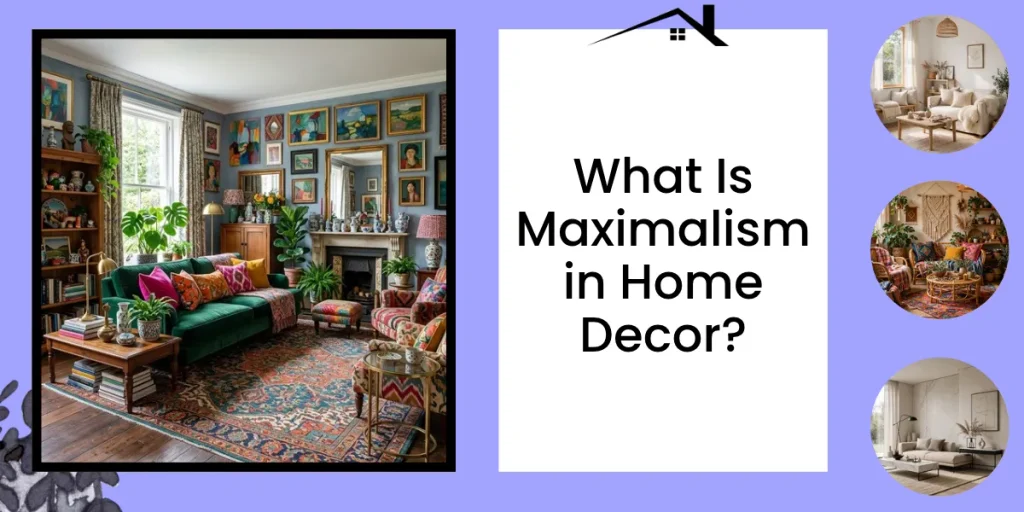
Maximalism in home decor is an interior design style that uses a rich mix of colors, patterns, textures, furniture, artwork, and decorative objects. It follows a more-is-more approach, giving you the freedom to combine different styles and display items that reflect your personality.
Unlike minimalist interiors, which focus on simplicity and fewer objects, maximalist interiors celebrate visual variety. You might see colorful wallpaper, a patterned rug, a velvet chair, framed art, decorative cushions, and collected objects in the same room.
However, maximalism does not mean filling every corner with random items. A well-designed maximalist room has a sense of balance. Repeated colors, related patterns, thoughtful furniture placement, and clear walking paths help different elements work together.
For example, you could pair a deep green sofa with pink cushions, a patterned rug, warm wood furniture, and colorful artwork. Repeating green and pink in smaller accessories can connect the room without making every item match.
The main idea: Maximalism is about expressing your personal style through thoughtful layers, not simply adding more things.
What Are the Main Characteristics of Maximalist Interior Design?
Maximalist interior design can look bright and playful, warm and traditional, or dramatic and elegant. Although every room is different, several features appear often.
- Bold colors: Emerald green, cobalt blue, burgundy, mustard, pink, and other expressive shades.
- Mixed patterns: Floral prints, stripes, checks, geometric shapes, and botanical designs.
- Layered textures: Velvet, linen, wool, wood, metal, glass, and woven materials.
- Statement furniture: Colorful sofas, sculptural chairs, carved cabinets, and distinctive tables.
- Decorative walls: Patterned wallpaper, gallery walls, painted trim, and framed artwork.
- Personal collections: Books, ceramics, photographs, travel souvenirs, and meaningful objects.
- Decorative lighting: Chandeliers, pendant lights, table lamps, and unusual wall lights.
- Rich accessories: Cushions, throws, vases, mirrors, plants, and decorative objects.
You do not need every feature in one room. A bold rug and colorful artwork may be enough to introduce maximalism, while a more layered space can include several patterns, furniture styles, and collections.
Maximalism vs. Minimalism vs. Clutter
Maximalism, minimalism, and clutter can look different in terms of color, furniture, and the number of objects in a room. The main difference is how the space is planned and used.
| Feature | Maximalism | Minimalism | Clutter |
| Main approach | More with intention | Less with intention | Items accumulate without a clear plan |
| Color palette | Often bold and varied | Usually simple and restrained | May lack a visual connection |
| Patterns | Frequently mixed | Often limited | Can compete without balance |
| Accessories | Personal and arranged | Few and purposeful | Spread across surfaces |
| Overall feel | Expressive and layered | Calm and simple | Disorganized or difficult to use |
How to Make Maximalism Look Intentional
A maximalist room can contain many objects while remaining comfortable and organized. The goal is to make sure the room still works for everyday life.
Ask yourself three questions:
- Do the colors, patterns, materials, or shapes connect in some way?
- Does each displayed item have a purpose, a place, or personal meaning?
- Can people walk, sit, clean, and use the room comfortably?
If the answer is yes, your room may have a balanced maximalist look. If surfaces are difficult to use or furniture blocks movement, remove or rearrange a few items.
A Brief History of Maximalist Home Decor

Maximalism does not have one exact starting point. Its decorative influences can be seen in different periods when detailed interiors, rich materials, and expressive furnishings were popular.
Baroque and Rococo Influences
Baroque interiors were known for elaborate decoration, dramatic forms, rich fabrics, and detailed furniture. Rococo later introduced lighter decorative elements, curved shapes, and playful patterns.
These historical styles differ from modern maximalism, but they show how layered decoration has long been part of interior design.
Victorian and Traditional Interiors
Victorian homes often featured patterned wallpaper, detailed furniture, heavy curtains, decorative accessories, and layered textiles. Many traditional interiors also used artwork, collections, and richly decorated surfaces.
Modern maximalist rooms can take inspiration from these details while using lighter furniture arrangements and more flexible color combinations.
Explore Home Decor Inspiration
Art Deco and Glamorous Interiors
Art Deco design introduced geometric patterns, striking shapes, and polished materials. Other glamorous interior styles used reflective finishes, dramatic lighting, and bold furniture.
Today, maximalist home decor can combine traditional details with modern furniture, handmade objects, bright colors, and personal collections. There is no single formula that every maximalist room must follow.
Six Core Principles of Maximalist Decorating

Maximalism gives you freedom to experiment, but a few design principles can help your room feel connected.
1. Choose a Focal Point
A focal point is the feature that first attracts attention. It could be a colorful sofa, a large painting, patterned wallpaper, a decorative fireplace, or a bold rug.
Choose one main feature before adding smaller accessories. This gives the rest of the room a clear direction.
2. Mix Different Scales
Combine large, medium, and small patterns instead of choosing prints that all look the same size.
For example, use large floral wallpaper, medium striped cushions, and a small geometric pattern in an accessory. You can apply the same idea to furniture and decor by combining a large artwork with smaller framed prints or decorative objects.
3. Repeat Colors and Shapes
Repeated colors help different pieces feel connected. If your sofa is green, bring that shade into a cushion, vase, rug, or artwork.
You can also repeat shapes and materials. Rounded mirrors, curved furniture, brass details, or wooden accessories can create a visual connection across the room.
4. Create Contrast
Contrast adds interest by bringing different elements together. Try smooth surfaces with woven materials, glossy finishes with matte textures, or vintage furniture with modern lighting.
The pieces do not need to match exactly. A shared color or material can help them work together.
5. Set an Anchor Color Palette
Choose three to five main colors to guide your furniture, wall finishes, rugs, and accessories.
You can add extra colors through small objects or artwork, but repeating the main shades will help the room feel more organized.
6. Leave Visual Breathing Room
A maximalist room does not need decoration on every wall or surface. An open section of wall, a clear tabletop, or a simple chair can give the eyes a place to rest.
These quieter areas also help your strongest design features stand out.
Maximalist Color Palettes and How to Choose One
Color is one of the most noticeable features of maximalist home decor. Your palette can make the room feel rich, cheerful, cozy, dramatic, or calm.
Jewel-Tone Colors
Emerald green, sapphire blue, ruby red, amethyst, and golden yellow create a rich look. These shades work well with velvet upholstery, dark wood, brass finishes, and detailed patterns.
Try jewel tones in living rooms, dining rooms, bedrooms, and reading corners.
Earthy and Moody Colors
Burgundy, rust, olive green, ochre, chocolate brown, and dark teal create a warm atmosphere. They pair well with natural wood, leather, woven rugs, and soft lighting.
This palette suits rooms where you want depth without relying on very bright colors.
Bright and Playful Colors
Pink, orange, cobalt blue, turquoise, and sunny yellow can make a room feel cheerful and energetic.
Use these shades in creative spaces, kitchens, playrooms, or living rooms. If you combine several bright colors, repeat them in different parts of the room to create a visual connection.
Neutral Maximalism
Maximalism does not always require bright walls. Cream, beige, warm white, and soft brown can form the base of a room with layered fabrics, detailed patterns, artwork, and decorative accessories.
This approach works well if you prefer a softer palette but still want a rich, collected look.
Color Drenching
Color drenching means using one color across several surfaces, such as walls, trim, and sometimes the ceiling. It creates a strong and continuous effect.
Try this technique in a reading corner, bedroom, dining room, or small office. Test paint samples under different lighting conditions before committing to the full room.
How to Balance Maximalist Colors
The 60-30-10 rule can be a useful starting point. Use roughly 60 percent of a main color, 30 percent of a second color, and 10 percent of an accent color.
This is a flexible guide, not a strict requirement. Maximalist rooms can include more colors, but repeating a few shades can make the overall design easier to follow.
How to Mix Patterns, Textures, and Layers
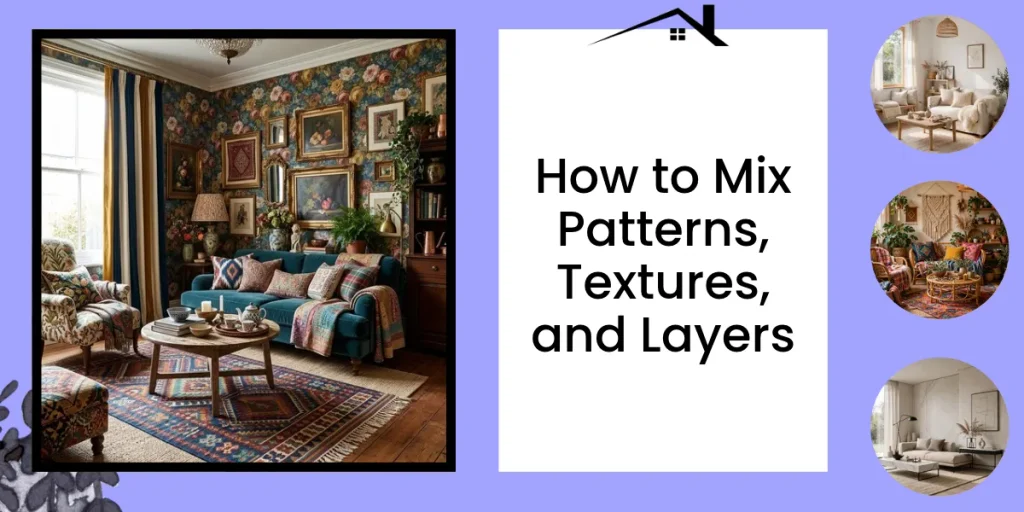
Pattern mixing is a major part of maximalist decorating. The goal is to create variety without making every surface compete for attention.
Mix Large, Medium, and Small Prints
Start with one large pattern, such as floral wallpaper or a botanical rug. Add a medium pattern through curtains or cushions, then introduce a smaller print as an accent.
This creates visual variety and helps the patterns work together.
Repeat at Least One Color
A floral cushion, striped curtain, and geometric rug can work together if they share a color. The patterns may be different, but the repeated shade gives them a common link.
Combine Different Textures
Mix velvet with linen, wood with metal, and wool with glass or ceramic. Different textures add interest even when the colors are similar.
For example, a velvet sofa, woven rug, wooden side table, and ceramic lamp can create a layered living room without relying on many bright colors.
Layer Rugs and Textiles
A smaller patterned rug can sit over a larger plain rug when both fit the room and the edges remain safe to walk over. Add cushions in different fabrics and shapes, then finish with a throw.
Choose curtains that suit the window size and room proportions. Avoid layers that block doors, heating vents, or useful surfaces.
Decorate Walls and Ceilings
Wallpaper, painted trim, wall paneling, framed art, murals, and decorative ceilings can all support maximalist style.
If your room already has a busy rug and colorful furniture, choose wall details that share the same palette. If the furniture is simple, the walls can become the main feature.
More Ideas for Every Home
15 Maximalist Home Decor Ideas
These 15 maximalist home decor ideas offer practical ways to bring color, texture, patterns, and personality into your space. Start with one or two ideas that suit your room, then add more layers as needed.
1. Use Bold Wallpaper
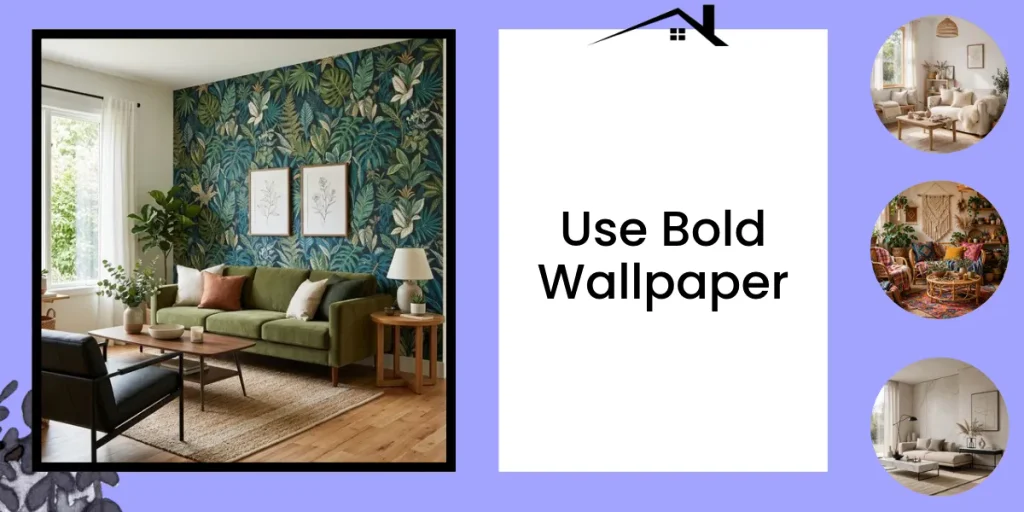
Choose floral, botanical, geometric, or large-scale patterned wallpaper for a strong visual effect. You can use it on one wall or throughout a small room, depending on how much pattern you enjoy.
Repeat one or two wallpaper colors in your furniture or accessories to connect the room. If the wallpaper is very detailed, balance it with simpler furniture shapes.
Best for: Creating a striking feature wall in living rooms, bedrooms, or small spaces.
2. Create a Colorful Gallery Wall
Combine framed prints, photographs, paintings, and smaller decorative pieces to create a personal gallery wall. Mix frame sizes, but plan the arrangement before hanging anything.
Lay the frames on the floor first or use paper templates to test the layout. A shared color, theme, or frame finish can help the collection feel connected.
Best for: Displaying artwork, family photos, and personal collections with character.
3. Choose a Statement Sofa
A sofa in emerald green, deep blue, rust, pink, or a patterned fabric can become the main feature of your living room.
Keep comfort and size in mind when choosing a bold design. Add cushions that repeat colors from the rug or artwork instead of selecting unrelated patterns.
Best for: Making the living room feel bold, colorful, and inviting.
4. Layer Patterned Rugs
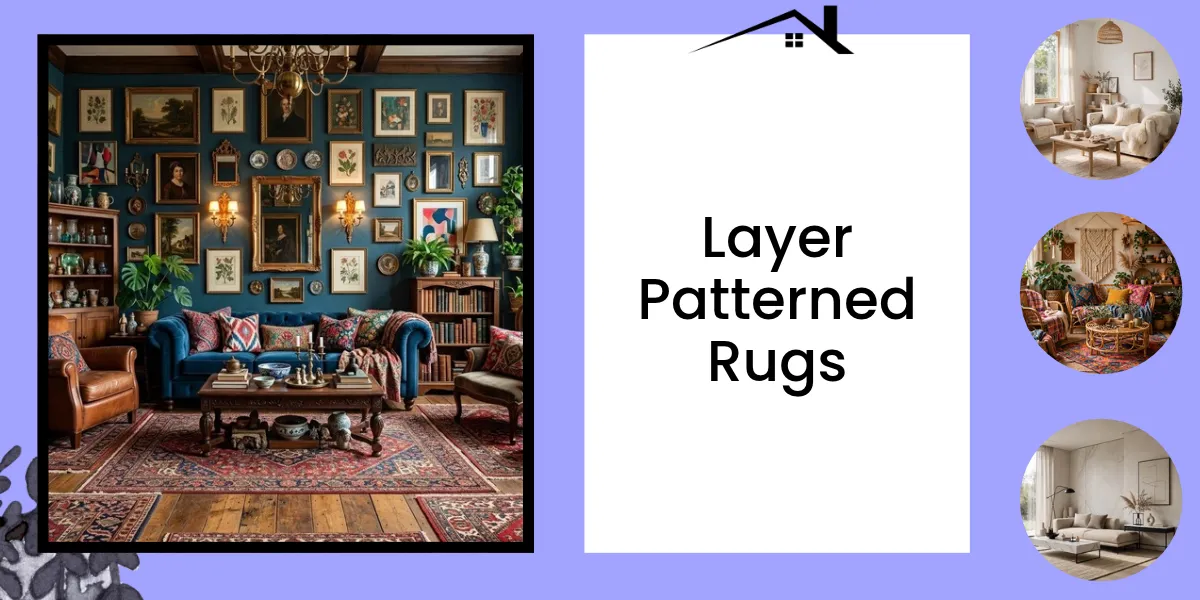
A large rug can set the room’s color palette, while a smaller rug adds another pattern or texture. Try combining a geometric design with a floral or traditional print.
Make sure both rugs sit flat and do not create a tripping hazard. In a small room, one expressive rug may provide enough pattern.
Best for: Adding visual depth, warmth, and pattern to living rooms and bedrooms.
5. Display a Curated Collection
Group ceramics, vases, travel souvenirs, books, or small sculptures together. Arrange the objects by color, material, shape, or subject.
Leave some space between groups instead of spreading every object across the room. A carefully arranged collection can have more impact than many unrelated displays.
Best for: Showing off ceramics, books, souvenirs, and meaningful decorative objects.
6. Add Sculptural Lighting
Choose a chandelier, pendant light, table lamp, or wall sconce with an interesting shape or finish.
A decorative fixture can work as both lighting and art. Add task lighting where needed, such as a reading lamp beside a chair or a practical light over a desk.
Best for: Creating a focal point while adding style and useful lighting.
7. Mix Vintage and Modern Furniture

Pair a vintage cabinet with a modern sofa or place a contemporary lamp on an antique side table.
Different furniture styles can give a room character. Repeat a color, material, or shape to make the pieces feel connected rather than randomly collected.
Best for: Creating an eclectic interior with character and a blend of old and new.
8. Use Colorful Curtains
Curtains in a bold print or rich color can frame a window and add another layer to the room.
If the walls are patterned, choose curtains that repeat one of the existing colors. If the walls are plain, a strong curtain pattern can become the main feature.
Best for: Adding color, pattern, and softness to windows and plain walls.
9. Style Bookshelves With Art and Objects
Arrange books alongside framed photographs, small sculptures, plants, and ceramics. Vary the height and position of the objects so the shelves do not look like one long row.
Keep frequently used books easy to reach and leave a few gaps between groups. Use baskets or boxes for smaller items that need to stay organized.
Best for: Turning everyday shelving into a decorative display with personality.
10. Bring in Indoor Plants

Plants add natural color and soften rooms filled with furniture, artwork, and patterns.
Use a mix of plant heights and choose containers that suit your palette. Check the light, humidity, and care needs of each plant before deciding where to place it.
Best for: Adding natural color, organic shapes, and freshness to layered interiors.
11. Make the Ceiling Part of the Design
Paint the ceiling a rich shade, add suitable wallpaper, or use decorative trim to create another layer.
This can work particularly well in a dining room, bedroom, or small powder room. Check the ceiling height and available light before choosing a dark color or busy pattern.
Best for: Adding unexpected color or pattern to dining rooms, bedrooms, and powder rooms.
12. Decorate With Ornate Mirrors
A decorative mirror can add shape, reflect light, and create a strong wall feature. Choose a carved wood, metallic, or colorful frame that suits your overall design.
Place the mirror where it reflects a pleasant view or useful natural light. Avoid positioning it where it mainly reflects an already crowded area.
Best for: Adding decorative detail, reflecting light, and creating a strong wall feature.
13. Combine Patterned and Colorful Furniture
Try a patterned accent chair, painted cabinet, or colorful bedside table. You do not need every furniture item to have a strong design.
Let one piece stand out, then use smaller details to repeat its colors or shapes. This creates a layered look without making the room feel too busy.
Best for: Introducing bold design through accent chairs, painted cabinets, and distinctive tables.
14. Create a Cozy Reading Corner
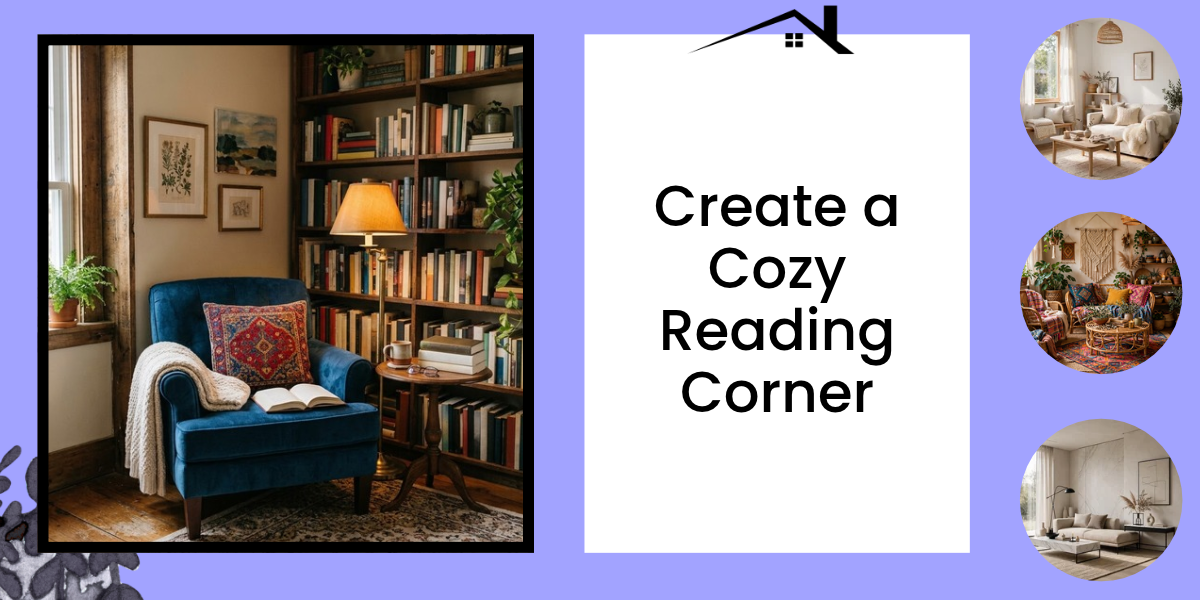
Place a comfortable chair beside a small table and a lamp. Add a patterned cushion, a throw, artwork, and a nearby bookshelf.
This is a useful way to try maximalist styling without changing the entire room. Keep enough space around the chair to sit down and move comfortably.
Best for: Making a small, comfortable space for reading with layered textiles, lighting, and artwork.
15. Display Personal Art and Meaningful Objects
Use family photographs, handmade ceramics, travel finds, inherited pieces, or artwork that reflects your interests.
These items make the room feel personal rather than copied from a showroom. Group related pieces and rotate your displays when you want a fresh look without buying more decor.
Best for: Creating a personal home that reflects your memories, interests, and individual style.
Maximalist Home Decor Ideas by Room
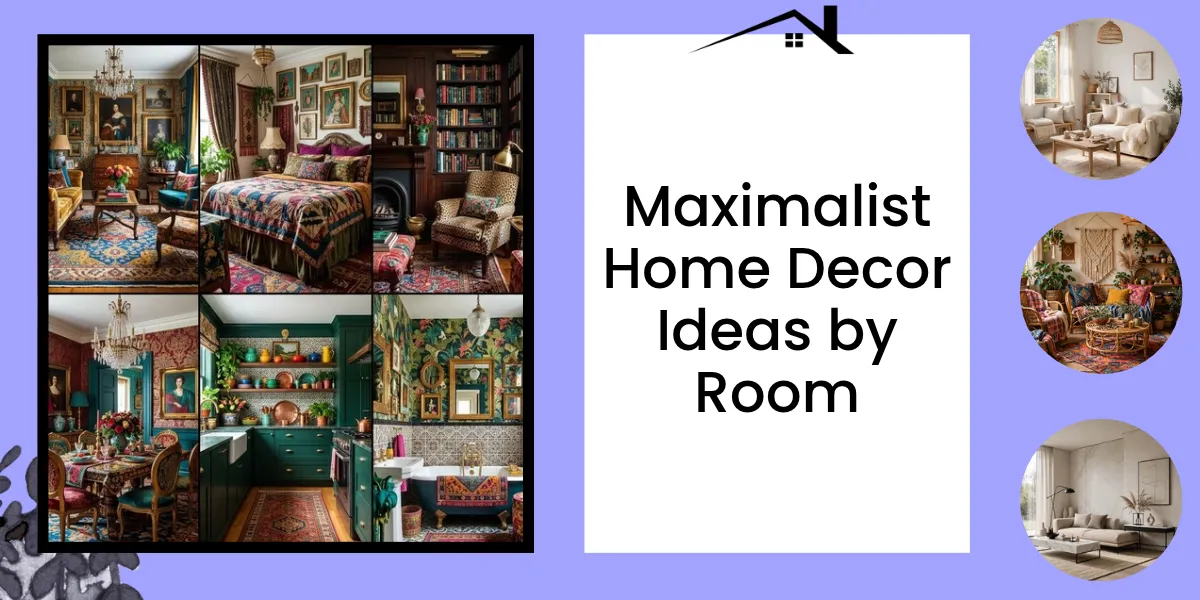
Each room has different needs. A living room may support many decorative layers, while a bedroom often benefits from a more controlled palette and softer textures.
Maximalist Living Room
Start with a statement sofa or patterned rug. Add colorful cushions, layered artwork, decorative lamps, and bookshelves with curated objects.
Repeat two or three colors across the main furniture and accessories. Keep walking paths clear and make sure people can use tables, seats, and storage without moving decorative items.
Maximalist Bedroom
Choose expressive wallpaper, patterned bedding, a decorative headboard, or colorful bedside lamps. Layer fabrics to create warmth, but keep the bed comfortable and easy to make.
If you prefer a restful atmosphere, use a limited palette and let the patterns and textures provide most of the visual interest.
Maximalist Kitchen
Colorful cabinets, patterned backsplash tiles, distinctive hardware, open shelves, and decorative pendant lights can give a kitchen personality.
Keep preparation areas practical. Display items you use regularly, and avoid filling counters with accessories that make cooking and cleaning harder.
Maximalist Dining Room
Use a statement dining table, colorful chairs, patterned wallpaper, a large mirror, or a dramatic light fixture.
If the walls and lighting are bold, choose simpler chair shapes. This creates contrast and keeps the room comfortable for meals and conversation.
Maximalist Bathroom
Patterned wallpaper suitable for the bathroom, colorful tiles, decorative mirrors, and bold towels can add personality to a small space.
Choose materials designed for the room’s moisture levels. Keep frequently used toiletries organized so decorative details do not make the bathroom harder to maintain.
Maximalist Home Office
Use colorful shelving, artwork, a distinctive desk lamp, and a few personal objects. A bold wall behind the desk can provide character without covering every surface.
Keep the work area clear enough for your computer, papers, and daily tasks. Storage should support your work rather than simply act as a display.
Maximalist Entryway and Hallway
A patterned runner, framed art, a mirror, or a colorful console can make a strong first impression.
Choose slim furniture where space is limited. Keep shoes, bags, and coats organized so the entryway remains easy to walk through.
How to Start Decorating in a Maximalist Style
You do not need to redesign your entire home at once. Follow these steps to build a layered look gradually.
- Collect inspiration: Save examples of rooms, colors, patterns, and furniture that appeal to you.
- Choose your palette: Select three to five main colors to guide your choices.
- Pick a focal point: Start with a rug, sofa, artwork, wallpaper, or light fixture.
- Add patterns and textures: Introduce cushions, curtains, textiles, or a smaller piece of patterned furniture.
- Display meaningful objects: Arrange books, art, ceramics, or personal collections in groups.
- Check the room’s balance: Look at furniture placement, color repetition, lighting, and clear surfaces.
- Edit what does not work: Remove items that compete with the focal point or make the room difficult to use.
Take a photograph after styling. A picture can help you notice crowded corners or colors that do not connect as well as they seem in person.
Maximalist Home Decor on a Budget
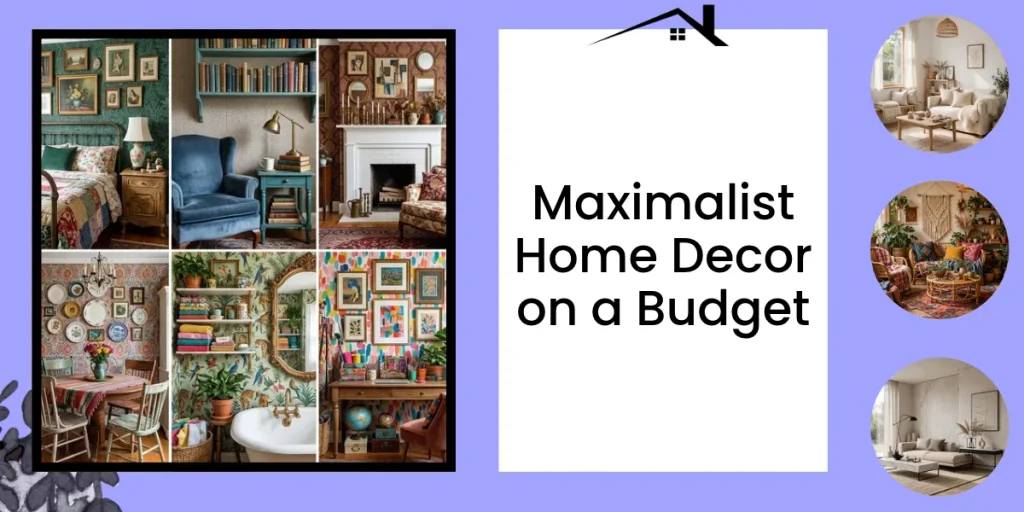
Maximalist decorating can work with a limited budget because you can build the look over time. The focus is on thoughtful combinations, not buying a complete room of new furniture.
Shop Secondhand
Thrift shops, flea markets, estate sales, and resale listings can be useful places to find frames, lamps, ceramics, and vintage furniture.
Check each item’s condition, measurements, and repair needs before buying it. A low price may not be worthwhile if the item needs expensive repairs.
Refresh Existing Furniture
Paint an old side table, change cabinet handles, or re-cover a suitable chair cushion. These small changes can help an existing piece fit your color palette.
Test finishes first and use products suited to the material and room.
Use Affordable Wall Art
Combine personal photographs, inexpensive prints, handmade art, and secondhand frames. A group of smaller pieces can create a gallery wall without the cost of one large artwork.
Try Removable Wallpaper
Peel-and-stick wallpaper can be useful in rental homes, but check the product instructions and test a small area before covering a large wall. Make sure your rental agreement allows the change and that the wall surface is suitable.
Decorate Gradually
Make a list of the items that would have the greatest effect. You might begin with a rug, curtains, or a lamp, then add smaller accessories later.
Buying slowly also gives you time to see how each piece works in the room before adding more.
Common Maximalist Decorating Mistakes and How to Fix Them
Using Too Many Focal Points
If the sofa, rug, wallpaper, artwork, and lighting all demand attention at once, the room may feel tiring.
How to fix it: Choose one or two main features. Let other elements support them through color, texture, or scale.
Mixing Patterns Without a Common Link
Patterns can look unrelated when they have no shared color, scale, or theme.
How to fix it: Repeat at least one color and vary the size of the prints. Add a solid fabric where the room needs a visual pause.
Filling Every Surface
Too many objects on tables, shelves, and counters can make a room difficult to use.
How to fix it: Group accessories and leave some open space. Keep practical surfaces available for everyday tasks.
Ignoring Lighting
A colorful room can look flat or gloomy if the lighting is too harsh or uneven.
How to fix it: Combine general lighting with task lamps and accent lights. Choose bulbs suited to the activity and atmosphere of each room.
Choosing Furniture That Is Too Large
Oversized furniture can block movement and leave little room for other design features.
How to fix it: Measure the room before buying furniture. Check doorways, walking paths, and the space needed to open drawers or move chairs.
Buying Decor Only Because It Is Trendy
A room may feel disconnected when every item follows a different short-term trend.
How to fix it: Choose pieces you genuinely like and can use for years. Personal meaning and practical value often make better guides than trends alone.
Maximalism and Related Interior Design Styles
Maximalism can overlap with other decorating styles, but each has its own focus.
- Eclectic interior design: Combines pieces from different eras and styles. It can be bold, but it does not always use the same level of color and layering as maximalism.
- Bohemian decor: Often features relaxed textiles, natural materials, plants, and collected objects.
- Grandmillennial style: Combines traditional details, floral patterns, classic furniture, and nostalgic touches.
- Cottagecore decor: Draws on rural settings, vintage objects, botanical prints, and a soft, nostalgic mood.
- Art Deco style: Uses geometric forms, symmetry, decorative finishes, and polished materials.
- Dopamine decor: Focuses on colors and objects that people personally find uplifting.
- Minimalism: Uses fewer objects, simpler forms, and more restrained decoration.
You can combine elements from these styles. For example, a maximalist room might include relaxed textiles, vintage furniture, decorative lighting, and a colorful gallery wall.
The best approach is to choose the features you enjoy and use repeated colors or materials to connect them.
Final Thoughts
Maximalism home decor is about expressing your personality through bold colors, mixed patterns, layered textures, and meaningful decorative pieces. It is not about filling every corner, but about choosing details that make your home feel unique.
Start with a color palette and one focal point, such as a statement sofa, patterned rug, bold wallpaper, or colorful gallery wall. Then add texture, decorative lighting, artwork, and personal accessories that connect with your chosen style.
For a small space, focus on scale and thoughtful layering. For a living room, combine statement furniture with colorful textiles. For a bedroom, balance patterns with cozy fabrics and warm lighting. For a budget-friendly look, refresh existing furniture and add secondhand decor.
The best maximalist home is one that reflects your personality, feels comfortable, and brings different colors, patterns, and treasured items together in a way that works for everyday living.
Frequently Asked Questions
Q1. What Is Maximalism in Home Decor?
Maximalism is a decorating style that combines bold colors, mixed patterns, layered textures, artwork, and personal objects. It celebrates variety and self-expression while using thoughtful arrangements to keep a room functional and visually connected.
Q2. How Do You Decorate a Maximalist Home Without Making It Look Cluttered?
Start with a clear color palette and one main focal point. Group similar objects, vary pattern sizes, and leave some surfaces open. Keep furniture paths clear and remove anything that makes the room difficult to use.
Q3. What Colors Work Best for Maximalist Interior Design?
Jewel tones, earthy shades, bright colors, and soft neutrals can all work. Emerald, burgundy, cobalt, rust, pink, and mustard are popular choices. The best palette depends on your preferences, room lighting, and the colors you can repeat across the space.
Q4. Can Maximalist Home Decor Work in a Small Apartment?
Yes. Use a statement wall, a patterned rug, colorful artwork, or a curated shelf to add character. Choose furniture that fits the room and keep walking paths clear. You can create a layered look without filling every available surface.
Q5. Is Maximalist Decorating Expensive?
No. Secondhand furniture, thrifted frames, existing textiles, paint, and do-it-yourself projects can help you create the look at a lower cost. Start with one or two important pieces and add accessories gradually instead of buying everything at once.
Q6. How Do You Mix Patterns in a Maximalist Room?
Combine large, medium, and small prints, then repeat a color across them. For example, floral curtains, striped cushions, and a geometric rug can work together when they share a shade. Use a solid fabric or simple furniture piece when the room feels too busy.
Q7. Is Maximalism the Opposite of Minimalism?
They have different approaches. Minimalism emphasizes simplicity and fewer objects, while maximalism uses more color, pattern, texture, and personal decoration. Both can be thoughtful design choices, and both benefit from good layout and practical use of space.
Q8. What Is the Best Room for Trying Maximalist Decor?
A living room is a useful place to start because rugs, cushions, artwork, and lighting can add layers without major renovations. A small bathroom, reading corner, or entryway can also be a manageable place to test a bold color or pattern.
Q9. How Can Renters Use Maximalist Decor?
Renters can use removable wallpaper where suitable, framed artwork, colorful curtains, cushions, rugs, table lamps, and freestanding shelves. These options can add character without permanent changes. Always check rental terms and product instructions before applying anything to walls.
Q10. Does Maximalist Decor Need Bright Colors?
No. Neutral maximalism uses soft colors with layered patterns, rich textures, artwork, and meaningful objects. Cream, beige, and warm gray can form a calm base while different fabrics, shapes, and materials provide visual interest.