
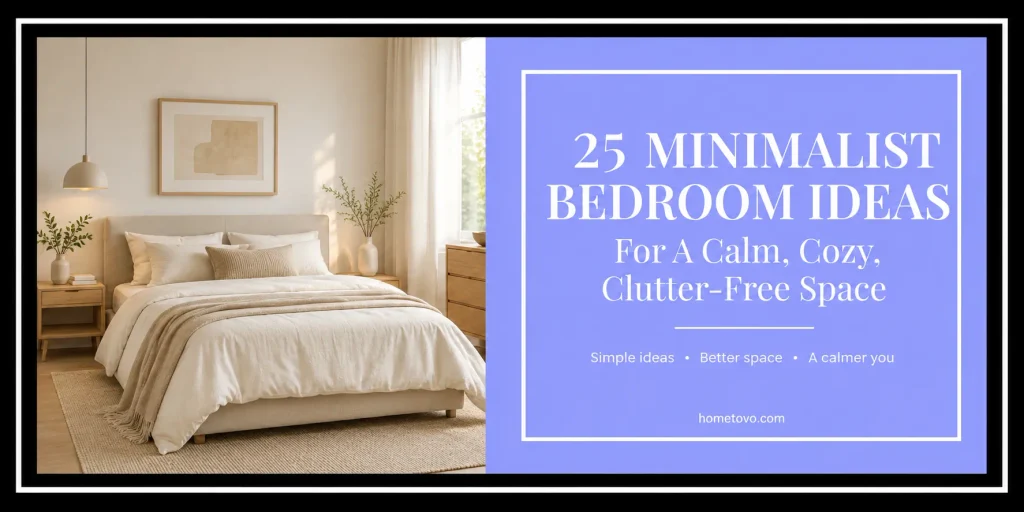
A minimalist bedroom is not simply a room with white walls and very little furniture. Good minimalist bedroom design is about choosing what you need, giving each piece enough space to breathe, and creating a room that feels calm without feeling empty.
The best minimalist bedroom decor often combines simple furniture, soft colors, natural materials, useful storage, and comfortable textiles. You can also bring in personality through one large artwork, a textured rug, warm wood, or a favorite bedside lamp.
Whether you are designing a modern minimalist bedroom, a cozy minimalist bedroom, or a small bedroom, the same basic idea applies: keep what works and remove what does not.
Current interior design guidance also shows that minimal bedrooms do not have to be stark. Natural finishes, warm tones, textured fabrics, useful lighting, and carefully chosen decorative pieces can make a simple bedroom feel inviting.
What Is a Minimalist Bedroom?
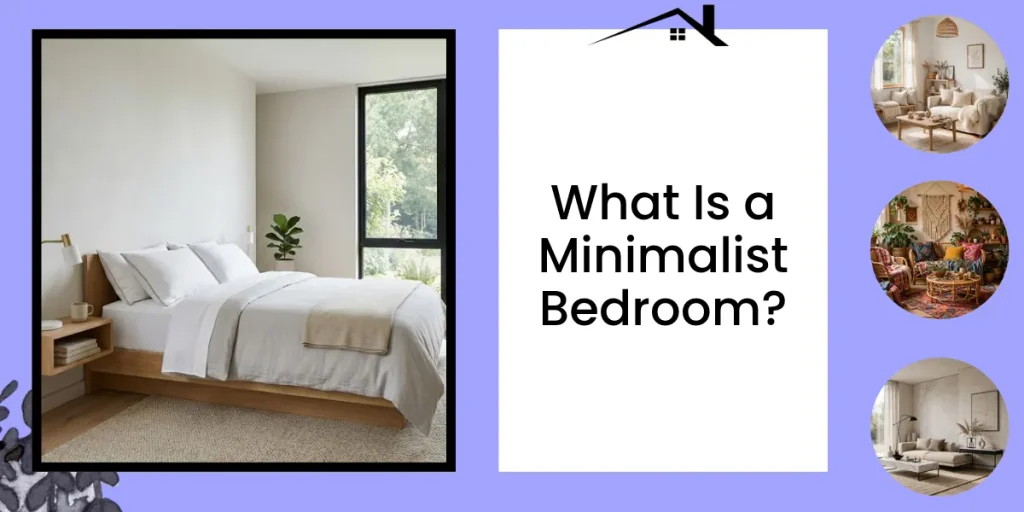
A minimalist bedroom is a space where furniture, colors, storage, and decor are chosen with purpose. Instead of filling every empty area, the design leaves enough open space for the room to feel comfortable and easy to use.
A typical minimalist bedroom may include:
- A comfortable bed
- One or two practical nightstands
- Useful clothing storage
- Soft and simple bedding
- Functional lighting
- A rug or other source of texture
- A small amount of wall decor
- A few personal items
Minimalism does not mean that everything must match or that the room must be completely bare. A bedroom can have color, artwork, plants, wood, patterns, and decorative objects while still feeling minimal.
The key is balance.
For example, one large piece of artwork can have more impact than several small frames. A wooden nightstand can add warmth without needing several decorative objects on top. A textured blanket can make a simple bed feel comfortable without adding lots of pillows.
This approach also makes a minimalist bedroom easier to maintain because there are fewer unnecessary items competing for attention.
25 Minimalist Bedroom Ideas
1. Start With a Warm Neutral Color Palette
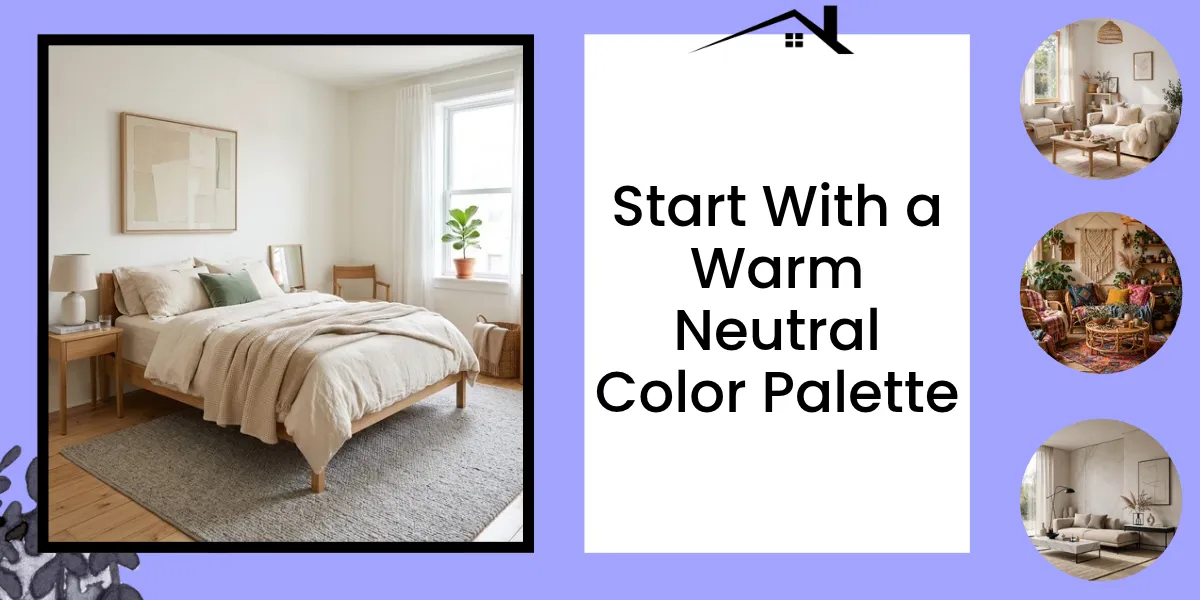
Color has a major effect on how a bedroom feels. Warm whites, cream, beige, taupe, and soft gray are useful starting points for a minimalist bedroom because they create a quiet background for furniture and textiles.
You do not need to use exactly the same shade throughout the room. Try combining a warm white wall with beige bedding, light wood furniture, and a soft gray rug.
This creates a warm minimalist bedroom without making the space feel flat.
If you prefer more color, use one muted shade such as dusty pink, sage green, clay, or muted blue. Keeping the rest of the room simple allows the color to feel intentional rather than distracting.
2. Choose a Low-Profile Bed
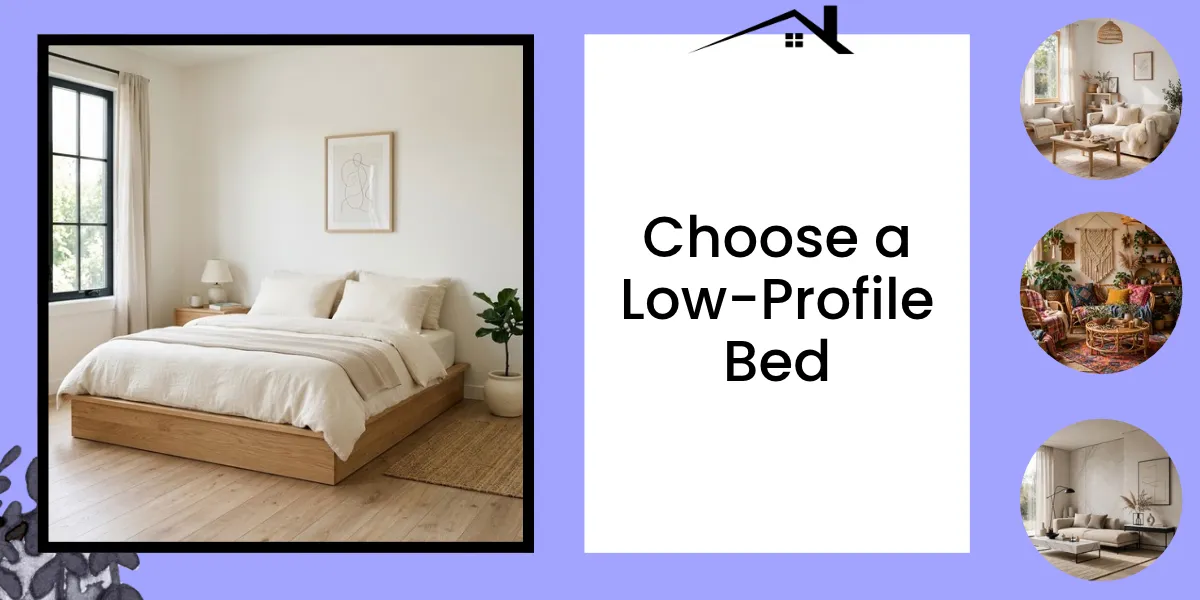
The bed is usually the largest piece of furniture in a bedroom, so its shape has a strong effect on the overall design.
A low-profile platform bed can make the room feel more open because it keeps the visual weight close to the floor. Simple wooden frames, upholstered platforms, and beds with clean lines can all work well in minimalist bedroom design.
Choose a frame that fits the size of your room. A large bed in a small space can make the room feel crowded, while an appropriately sized bed leaves room for movement and storage.
You also do not need an elaborate headboard. If the rest of the room already has strong architectural details, a simple bed frame may be enough.
Popular Home Decor Trends & Tips
3. Keep the Bedding Simple and Comfortable

Minimalist bedding should look relaxed rather than overly styled.
Start with good-quality sheets, a duvet or comforter, and a few pillows that you actually use. Add one blanket or throw for texture if needed.
Natural fabrics such as cotton and linen can add softness without requiring lots of decorative layers.
The goal is not to create a perfectly arranged bed that nobody wants to touch. Your bedroom is a place for rest, so comfort should come before decoration.
4. Use Natural Wood for Warmth
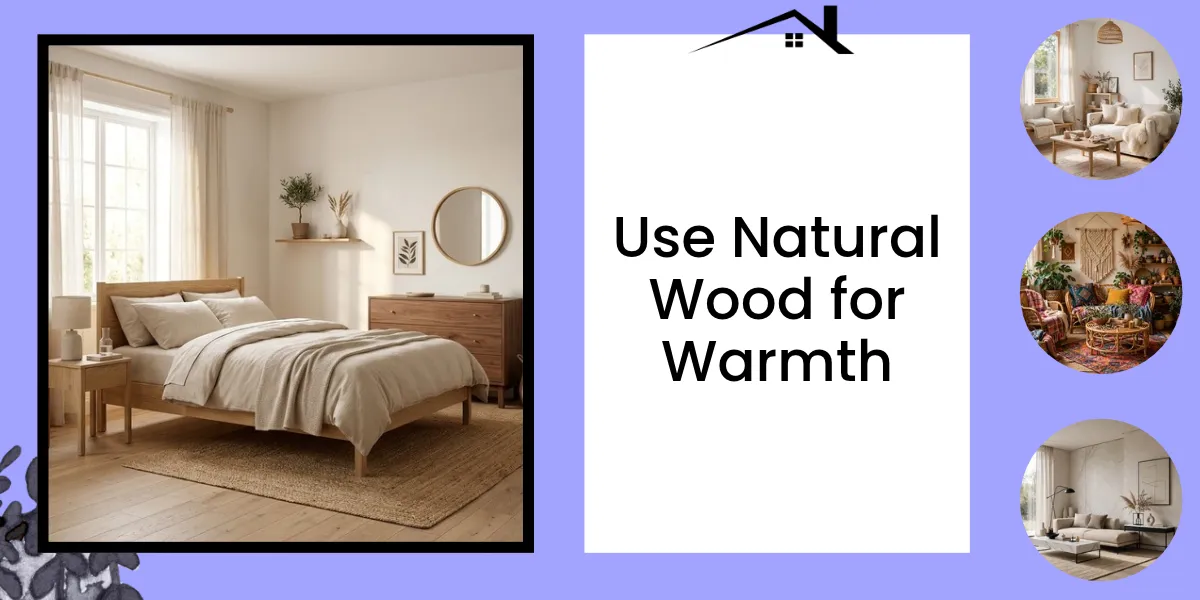
Natural wood is one of the easiest ways to keep a minimalist bedroom from feeling cold.
Light oak can create a fresh Scandinavian-style look, while walnut and darker woods can give the room a richer feel. You can use wood through the bed frame, nightstands, dresser, flooring, shelving, or even a small stool.
You do not need several matching wood pieces. In fact, a simple combination of wood with neutral walls and soft textiles can create more visual interest than a perfectly matched furniture set.
Natural finishes are also a recurring feature in current minimalist bedroom design because they add texture while keeping the overall look simple.
5. Add Texture Without Adding Clutter
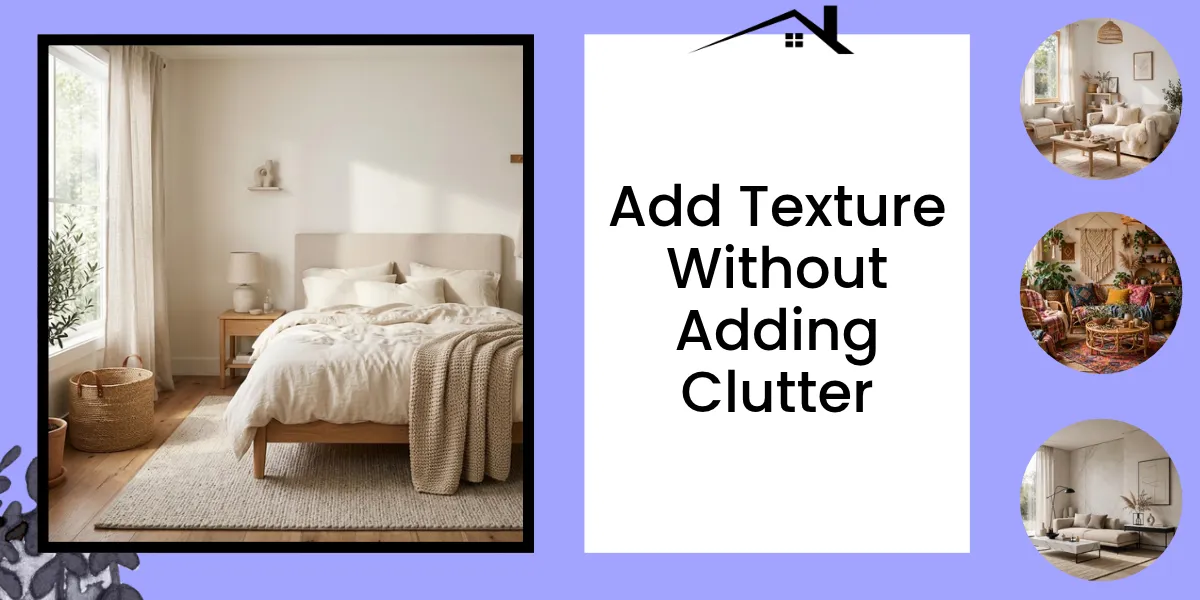
One common mistake with minimalism is removing so many objects that the room starts to feel cold.
Texture solves this problem without adding visual mess.
Try combining:
- Linen bedding
- A wool or cotton rug
- A woven basket
- A soft upholstered headboard
- Natural wood
- Textured curtains
- A knitted throw
The colors can remain simple while the materials provide depth.
This is especially useful in a neutral minimalist bedroom. If everything is the same smooth white or beige surface, the room may feel flat. Different textures make the same restrained color palette feel more comfortable.
6. Choose Minimalist Bedroom Furniture With a Purpose

Minimalist bedroom furniture should solve a real need.
Before buying another table, chair, cabinet, or shelf, ask what purpose it serves. If you already have enough storage, another dresser may only reduce your available floor space.
Useful pieces may include:
- A simple bed
- A compact nightstand
- A dresser
- A wardrobe
- A storage bench
- A small reading chair
The best minimalist bedroom furniture is not necessarily the most expensive or most modern. It is furniture that fits the room, works well, and does not create unnecessary visual weight.
For a small bedroom, multifunctional furniture can be particularly helpful. A bed with drawers underneath, for example, can provide storage without requiring another large cabinet.
7. Hide Clutter With Smart Storage
A room can have beautiful furniture and still fail to look minimal if everyday items are left everywhere.
Storage is therefore part of minimalist bedroom design, not something to think about afterward.
Consider:
- Built-in wardrobes
- Under-bed drawers
- Closed nightstands
- Storage benches
- Tall cabinets
- Floating shelves for selected items
- Baskets for smaller belongings
Closed storage is especially useful when you want a clean visual background.
The goal is not to hide everything you own. It is to give everyday belongings a clear place so they do not spread across the room.
Built-in storage is also a recurring solution in professional minimalist bedroom examples because it keeps necessary storage visually controlled.
8. Let Natural Light Lead the Design
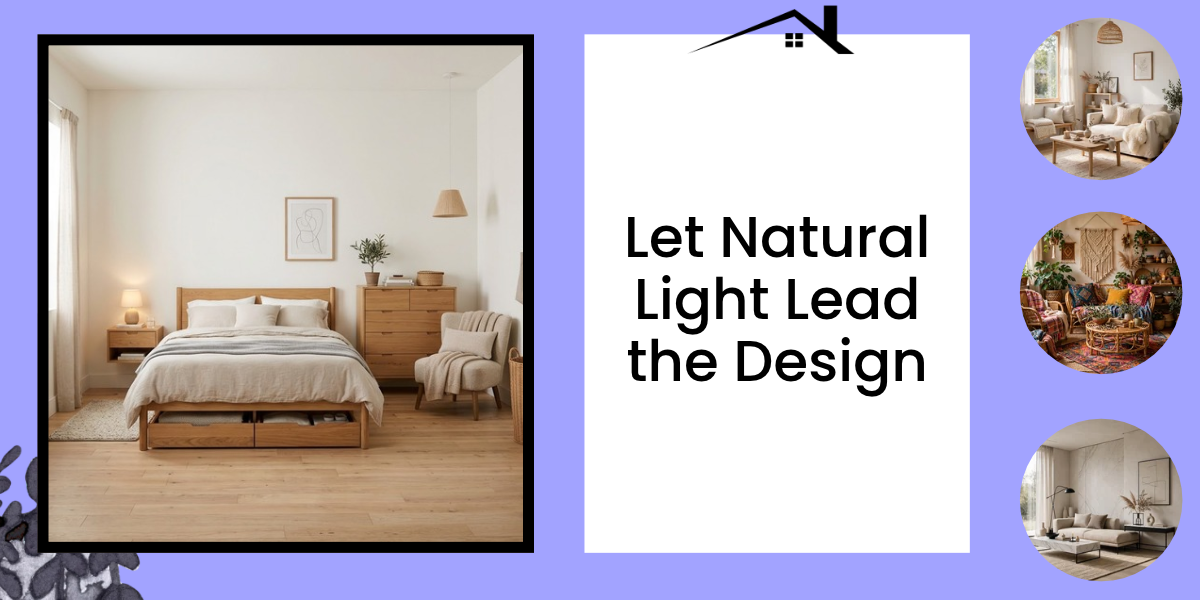
Natural light can make even a small minimalist bedroom feel more open.
Instead of covering windows with heavy layers, consider simple curtains or light-filtering fabrics when privacy allows. Keep furniture from blocking the main source of daylight.
If the bedroom has an attractive outdoor view, avoid placing unnecessary objects directly in front of the window.
You can also use mirrors carefully to reflect available light. A large mirror does not need to become a decorative feature on its own. It can simply make the room more practical while helping the space feel brighter.
9. Use Simple, Warm Lighting
A ceiling light alone is rarely enough for a comfortable bedroom.
Layer your lighting with two or three useful sources, such as:
- Bedside lamps
- Wall-mounted sconces
- A pendant light
- A small reading light
- Soft ambient lighting
Warm light is generally more relaxing for an evening bedroom than harsh, cool lighting.
Wall-mounted sconces are especially useful in small rooms because they provide bedside lighting without taking up nightstand space. This type of space-saving lighting also appears in current minimalist bedroom designs.
10. Add One Statement Piece
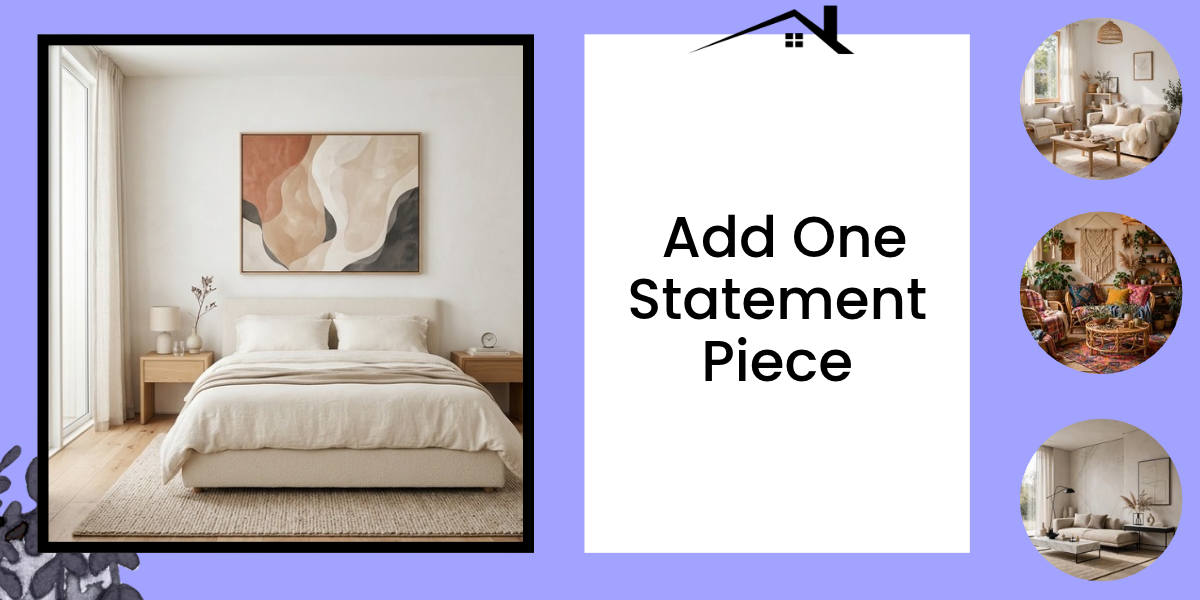
Minimalism does not mean every item has to be visually quiet.
One strong piece can give the bedroom character while the rest of the room remains restrained.
Consider:
- An oversized artwork
- A sculptural lamp
- A distinctive bed
- A large mirror
- A statement chair
- An unusual wooden piece
The important part is to let that item have enough space around it.
For example, if you choose a large artwork above the bed, you may not need several smaller frames around it. The empty wall space becomes part of the design.
11. Keep Wall Decor Minimal
Bare walls are not a problem in a minimalist bedroom. In many cases, they are part of the look.
If the room needs something, choose wall decor that has a clear purpose or strong visual value.
A few good options include:
- One large framed print
- A simple abstract painting
- A black-and-white photograph
- A textured wall hanging
- A simple mirror
You can also use the architecture of the room as decoration. Wood beams, limewash, textured plaster, brick, or paneling can add character without requiring additional artwork.
The best minimalist bedroom decor does not need to fill every empty wall.
12. Use a Minimalist Bedroom Rug
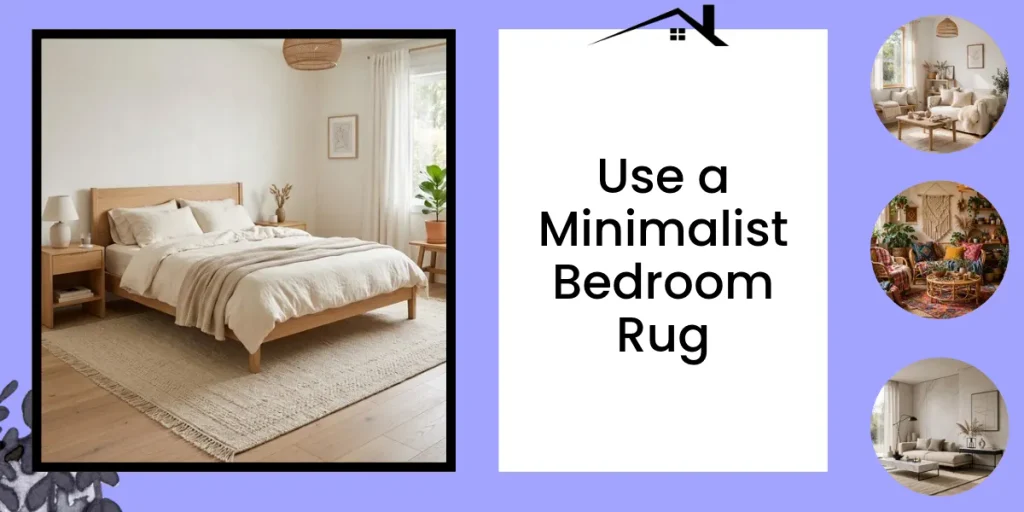
A rug can make a simple bedroom feel warmer and more finished.
Choose a size that works with the bed and allows enough rug to show around it. Neutral rugs are easy to combine with different furniture, while subtle patterns can add interest without overwhelming the room.
For a cozy minimalist bedroom, consider wool, cotton, or another soft material that feels comfortable underfoot.
If the bedroom is already visually busy, keep the rug simple. If the walls and furniture are very plain, a lightly textured or patterned rug can become one of the room’s main visual features.
13. Try a Black-and-White Minimalist Bedroom
Black and white is a simple combination, but it does not have to look harsh.
Use white or warm off-white as the main background and introduce black through smaller elements such as:
- Bedside lighting
- Window frames
- Artwork
- Curtain rods
- Furniture legs
- Decorative objects
Adding natural wood can soften the contrast.
A black-and-white room works particularly well when the shapes of the furniture are simple. Current minimalist bedroom examples often use black accents against white and pale wood to create definition without adding clutter.
Create a Cozy Minimalist Bedroom
A cozy minimalist bedroom focuses on comfort without filling the room with accessories.
Start with a comfortable bed, soft bedding, warm lighting, and one or two natural materials.
A simple combination such as:
cream walls + light wood + linen bedding + a soft rug + warm lighting
can create a relaxed bedroom without requiring much decoration.
If the room still feels cold, add texture before adding more objects. A wool blanket or upholstered headboard may do more for the room than several decorative accessories.
Create a Modern Minimalist Bedroom
A modern minimalist bedroom usually relies on clean lines, simple shapes, and a controlled color palette.
You can create the look with:
- A streamlined bed
- Simple nightstands
- Neutral walls
- Contemporary lighting
- Minimal artwork
- Built-in storage
- Natural or engineered materials
Modern does not mean that every piece needs to look futuristic. A classic wooden dresser can work well if its proportions and finish fit the rest of the room.
The strongest modern minimalist bedroom ideas usually focus on proportion and function rather than decoration for its own sake.
A Simple Rule for Decorating a Minimalist Bedroom
Before adding anything to your room, ask three questions:
- Do I need it?
- Do I use it?
- Does it make the room better?
If the answer is no to all three, you probably do not need it.
That does not mean your bedroom should have no personality. Family photos, books, plants, artwork, and meaningful objects can all belong in a minimalist room. They simply need enough space to be appreciated.
Try a Minimalist Master Bedroom

A minimalist master bedroom should feel comfortable and spacious rather than overly decorated.
Because master bedrooms are usually larger, there can be a temptation to fill the extra space with furniture. Instead, use the available floor area to create better spacing between the bed, storage, seating, and other essential pieces.
A simple master bedroom might include a large upholstered or wooden bed, matching or coordinated nightstands, a dresser, soft curtains, and one comfortable chair.
Pay attention to proportion. Large rooms can handle larger furniture, but every piece should still have a purpose.
For a more refined minimalist master bedroom design, combine a limited color palette with high-quality materials. Natural wood, linen, wool, stone, and soft upholstery can make the room feel comfortable without requiring many decorative items.
Make a Small Bedroom Feel Minimalist
Small bedrooms benefit from minimalism because unnecessary furniture can quickly make them feel crowded.
Start by measuring the room before buying anything. Choose furniture that leaves enough space to walk around the bed and access storage.
Useful ideas include:
- Choose a bed with built-in drawers
- Use wall-mounted bedside lights
- Choose a narrow nightstand
- Use tall storage instead of wide cabinets
- Keep the floor as open as possible
- Choose furniture with simple shapes
- Use one large mirror instead of several small ones
- Keep the color palette consistent
A small cozy minimalist bedroom does not have to be completely white. Warm beige, cream, light gray, and pale wood can create a comfortable space while maintaining a sense of openness.
For very small rooms, think about what can perform more than one job. A storage bench can provide seating and hold extra bedding. A floating shelf can replace a bulky bedside table.
Try Beige and Earthy Tones
Beige is a natural fit for a warm minimalist bedroom because it provides more warmth than stark white while remaining easy to work with.
Try combining:
- Cream walls
- Beige bedding
- Light oak furniture
- Taupe curtains
- A natural fiber rug
You can also introduce muted earthy colors such as terracotta, olive, clay, or warm brown.
Keep the number of colors limited. The goal is to create a connected palette rather than a collection of unrelated shades.
Add Greenery Without Creating Clutter
Plants can add life to a minimalist bedroom, but you do not need to turn the room into an indoor garden.
One large plant in an empty corner can be enough. A small plant on a nightstand can also add a natural touch.
Choose simple pots in materials that work with the rest of the room, such as ceramic, stone, or natural fiber.
If you have limited space, use a single plant as an accent instead of adding several small plants throughout the room.
This keeps the bedroom fresh while preserving the clean visual structure of minimalist decor.
Create a Clean Girl Bedroom
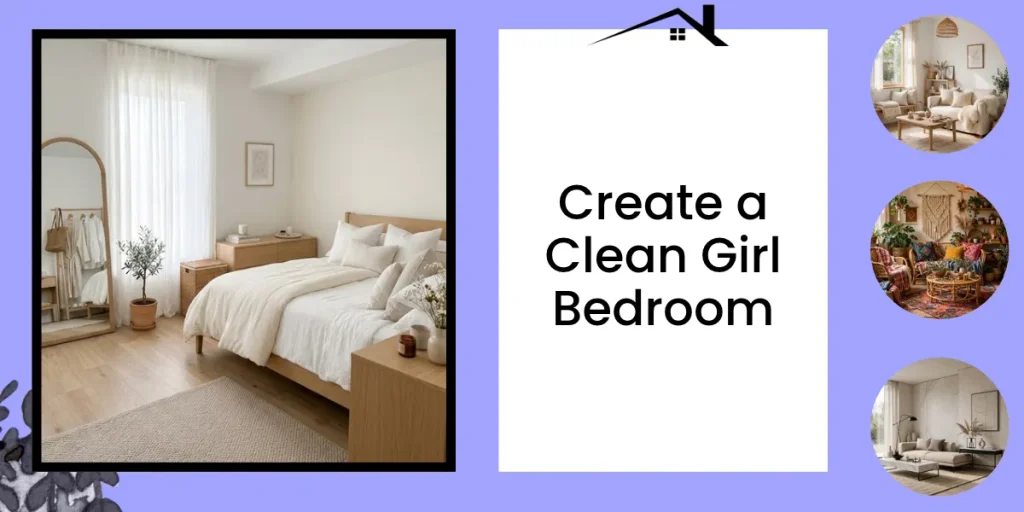
The clean girl bedroom aesthetic overlaps with minimalist bedroom design because both often use simple styling, neutral colors, tidy surfaces, soft bedding, and carefully selected accessories.
A clean girl bedroom may include:
- White or cream bedding
- Beige or soft neutral colors
- Simple furniture
- A tidy nightstand
- Soft lighting
- A mirror
- Small decorative objects
- Organized storage
However, these two styles are not exactly the same.
Minimalism is a broader design approach based on intentional choices and reduced visual clutter. The clean girl aesthetic is more of a lifestyle-inspired visual trend.
If you like the look, take the parts that make sense for your room rather than trying to copy every trend.
21. Create a Luxury Minimalist Bedroom
Luxury minimalism is less about expensive decoration and more about quality, proportion, and materials.
Instead of filling the room with accessories, invest in a few pieces that feel well made.
For example, you might choose:
- High-quality bedding
- A well-designed bed frame
- Natural wood furniture
- Soft curtains
- A large rug
- A sculptural light
- One large artwork
Keep the color palette restrained.
Cream, warm white, taupe, charcoal, walnut, and soft beige can create a sophisticated setting without making the room feel formal.
The most important rule is to avoid confusing luxury with excess. A room can feel high-end while remaining simple.
Try a Japandi-Inspired Minimalist Bedroom
Japandi combines elements commonly associated with Japanese and Scandinavian interiors, including simplicity, natural materials, restrained colors, and functional furniture.
A Japandi-inspired bedroom may use:
- Low furniture
- Natural wood
- Soft beige and cream
- Simple ceramics
- Linen fabrics
- Woven textures
- Minimal decoration
The style works particularly well for people who want a minimalist bedroom that feels warm rather than stark.
You do not need to follow every rule of the style. A few natural materials and simple shapes can bring the same calm feeling to a modern bedroom.
Use an Accent Wall Carefully
A minimalist bedroom does not have to have four identical walls.
An accent wall can add depth when it is used carefully. Instead of choosing a very busy pattern, consider a subtle material or tonal finish.
Good options include:
- Limewash paint
- Textured plaster
- Soft wallpaper
- Wood paneling
- A deeper version of the main wall color
The wall behind the bed is often a natural location for an accent.
Keep the rest of the room quiet so the accent wall has room to work. If the wall already has strong texture or color, you may not need much artwork on top of it.
Keep Bedroom Surfaces Mostly Clear
A clear nightstand or dresser can make an immediate difference to the way a bedroom feels.
That does not mean removing everything.
A nightstand may only need:
- A lamp
- A book
- A small plant or personal object
The same idea applies to a dresser. Instead of filling its entire surface with candles, frames, containers, and decorative objects, choose one or two pieces that you genuinely like.
Clear surfaces are especially useful in small rooms because they reduce visual noise.
Leave Enough Empty Space
Empty space is one of the most important parts of minimalist bedroom design.
You do not need to place something in every corner.
Leave space around furniture where possible. Keep pathways open and avoid pushing too many pieces against the walls simply because there is available floor area.
This breathing room allows the furniture and architecture to become part of the design.
A minimalist room is not defined only by what you add. It is also defined by what you choose not to add.
Minimalist Bedroom Ideas for Different Styles
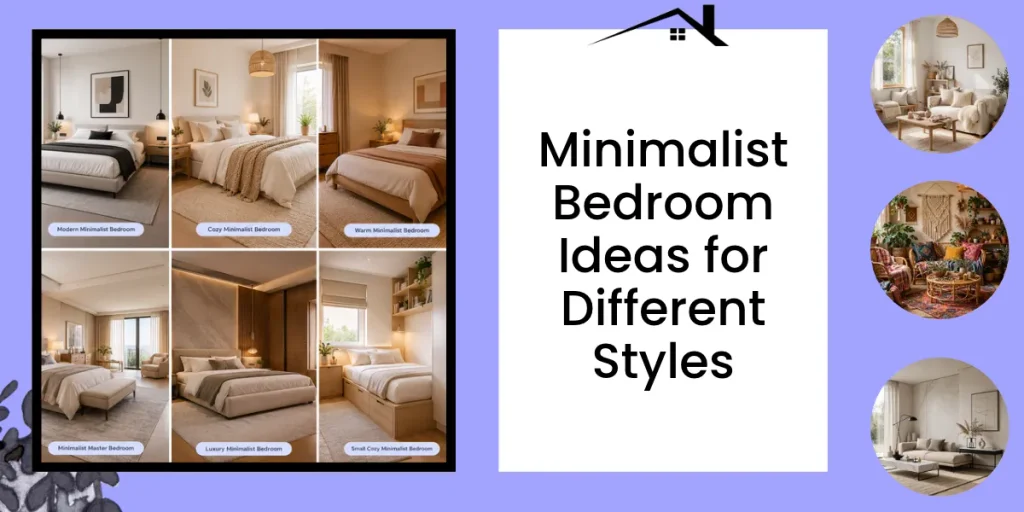
Minimalism can take many forms. You can adapt the basic principles to suit your preferred style.
Modern Minimalist Bedroom
A modern minimalist bedroom usually combines clean furniture, simple shapes, neutral colors, and practical storage.
Black accents, glass, metal, wood, and contemporary lighting can work well when used in moderation.
Cozy Minimalist Bedroom
For a cozy look, focus on soft textures rather than extra decorations.
Use warm lighting, comfortable bedding, rugs, curtains, and natural wood.
Warm Minimalist Bedroom
Warm minimalism uses cream, beige, brown, warm white, and natural materials instead of a cold monochrome palette.
It is a good choice if you want a minimalist bedroom that feels relaxed and inviting.
Minimalist Master Bedroom
Use larger furniture carefully and leave enough space around the bed.
A statement bed, built-in storage, soft lighting, and a restrained color palette can create a polished master bedroom without excessive decoration.
Luxury Minimalist Bedroom
Choose fewer but better-quality pieces.
Focus on material, proportion, lighting, and comfort rather than adding lots of accessories.
Small Cozy Minimalist Bedroom
Use multifunctional furniture, vertical storage, simple bedding, and a limited color palette.
Keep the floor as open as possible and avoid furniture that is too large for the room.
How to Choose Minimalist Bedroom Furniture

The right furniture can make or break a minimalist room.
Before purchasing anything, consider the size of the room, your storage needs, and how you actually use the space.
Minimalist Bed Frames
Choose a bed with a simple silhouette.
Wooden platform beds, upholstered beds, and low-profile frames can all work. The best option depends on the size and style of your room.
Minimalist Nightstands
A nightstand does not need to be large.
Choose one that can hold the things you use at night, such as a lamp, phone, book, or glass of water.
Wall-mounted shelves can work in very small bedrooms.
Minimalist Dressers
A dresser should provide useful storage without taking over the room.
Choose a size that matches your clothing needs and available floor space.
If you already have enough wardrobe storage, you may not need a large dresser at all.
Minimalist Wardrobes
Closed wardrobes help keep clothing visually organized.
Built-in wardrobes are particularly useful because they can use the available wall space efficiently and create a cleaner appearance.
Minimalist Bedroom Sets
Matching bedroom sets can make furniture shopping easier, but you do not have to buy every piece from the same collection.
A coordinated room can feel more natural when the furniture shares similar colors, materials, or proportions rather than being identical.
What Colors Work Best in a Minimalist Bedroom?
There is no single correct minimalist bedroom color.
a) Warm White
Warm white creates a bright background without the cold feeling that some pure whites can produce.
b) Beige and Cream
These colors are excellent for warm minimalist bedrooms and work well with natural wood.
c) Soft Gray
Gray can create a calm, contemporary appearance. Choose warmer gray if you want a softer atmosphere.
d) Greige
Greige combines gray and beige and works well when you want a neutral color with a little more depth.
e) Earthy Tones
Brown, clay, muted green, and terracotta can add personality without overwhelming the room.
f) Black Accents
Black works best as a supporting color in many minimalist bedrooms.
Use it for lighting, frames, handles, furniture legs, or small decorative pieces.
g) Muted Colors
You can use blue, green, pink, or another soft color while keeping the room minimal.
The important part is not avoiding color. It is controlling how much color competes for attention.
Common Minimalist Bedroom Mistakes
Minimalism is simple in theory, but it can be easy to take it too far.
Making the Room Too Empty
Removing too much can make a bedroom uncomfortable.
Keep the essentials and add a few things that make the room feel personal.
Using Only White
An all-white bedroom can be beautiful, but it is not required for minimalism.
Wood, beige, gray, black, and muted colors can all work.
Buying Too Much Minimalist Decor
This sounds contradictory, but it happens often.
A room can become cluttered with objects that are individually described as minimalist.
Choose fewer pieces and give them space.
Ignoring Texture
If every surface is smooth and every color is similar, the room can feel flat.
Use textiles, wood, woven materials, rugs, or subtle wall finishes to add depth.
Choosing Furniture That Is Too Large
Large furniture can quickly overwhelm a small bedroom.
Measure first and leave enough space for comfortable movement.
Forgetting Storage
A beautiful room will not stay minimal if there is nowhere to put everyday belongings.
Plan storage before adding decorative pieces.
Using Harsh Lighting
Bright, cool lighting can make a bedroom feel less relaxing.
Use layered lighting and choose a warmer light source for evening use.
Removing All Personality
A minimalist bedroom should still feel like your bedroom.
Books, artwork, plants, photographs, and meaningful objects can make the room personal. The goal is to display them intentionally rather than covering every surface.
How Do You Make a Bedroom Look Minimalist Without Making It Boring?
Use a simple formula:
restrained colors + natural materials + comfortable textures + useful furniture + one or two focal points + open space.
For example, a cream bedroom with light oak furniture, linen bedding, a textured rug, warm bedside lighting, and one large artwork can feel calm without feeling empty.
If your bedroom looks too plain, add texture before adding lots of objects. If it feels cluttered, remove unnecessary items before buying more storage or decoration.
Minimalism works best when the room has a clear purpose and still reflects the person who lives there.
Final Thoughts
A minimalist bedroom is not about owning as little as possible. It is about creating a room where the things you keep have a reason to be there.
Start with the bed, storage, lighting, and basic color palette. Then add warmth through wood, comfortable textiles, rugs, plants, artwork, or another personal detail.
For a small bedroom, focus on scale and storage. For a master bedroom, focus on proportion and open space. For a cozy room, use texture and warm lighting. For a modern room, keep the furniture and shapes clean.
The best minimalist bedroom is one that feels calm when you enter it and works well when you live in it.
FAQs About Minimalist Bedroom Ideas
Q1. What Should Be in a Minimalist Bedroom?
A minimalist bedroom should include the essentials for sleep, storage, lighting, and comfort.
This usually means a comfortable bed, suitable clothing storage, simple bedding, practical bedside lighting, and a small amount of decor.
Books, plants, artwork, and personal items can also stay when they have a clear place.
Q2. What Are Some Minimalist Interior Design Ideas for a Bedroom?
Start with a simple color palette, functional furniture, clear surfaces, natural materials, and smart storage.
A low-profile bed, warm lighting, wood furniture, textured bedding, simple curtains, and one statement artwork can create a minimalist bedroom that feels calm, comfortable, and complete without adding unnecessary visual clutter.
Q3. How Do You Make a Cluttered Bedroom Look Minimalist?
Start by removing items you no longer use and organize the belongings you keep. Clear visible surfaces such as nightstands, dressers, and shelves.
Remove furniture that has no useful purpose or blocks movement. Finally, limit decorative items and leave enough open space around furniture to create a cleaner look.
Q4. What Should You Put in an Empty Bedroom?
Start with the room’s purpose and add only what you need. A basic bedroom usually needs a comfortable bed, storage, lighting, window coverings, and space for everyday items.
If there is extra room, consider a dresser, reading chair, bench, or desk, while keeping some areas open.
Q5. What Colors Work Best in a Minimalist Bedroom?
Warm white, beige, cream, soft gray, greige, and earthy tones work well in minimalist bedrooms. These shades create a calm background and pair easily with natural wood and simple furniture.
Black, brown, or muted colors can be added as small accents to create contrast without overwhelming the room.
Q6. How Do You Make a Minimalist Bedroom Cozy?
Use soft bedding, layered textiles, natural wood, rugs, curtains, and warm lighting to make a minimalist bedroom feel cozy. You do not need many decorations.
A few comfortable textures, warm materials, and carefully chosen accessories can add personality while keeping the room simple, organized, and visually calm.
Q7. Do Minimalists Use Dressers?
Yes, minimalists can use dressers when they provide useful storage and fit the room properly.
Choose a simple design with clean lines and enough space for clothing. If your bedroom already has a suitable wardrobe or built-in storage, you may not need an additional dresser or storage unit.
Q8. How Can I Make a Small Bedroom Look Minimalist?
Choose furniture that fits the room and avoid oversized pieces that restrict movement. A low-profile bed, compact nightstand, wall-mounted lighting, and smart storage can save space.
Keep the color palette simple and leave some open floor area to make a small bedroom feel more spacious and comfortable.